What if Your Period App Could Strengthen Your Family Life?
Have you ever wished your daily routines felt just a little more in sync? For many of us, managing life’s rhythms—especially women’s health—can feel isolated from the rest of the household. But what if tracking your cycle wasn’t just about personal care, but a way to connect more deeply with your partner, kids, or even parents? Today’s period apps are becoming quiet allies in creating calmer, more understanding homes. They’re no longer just digital calendars marking the start of your period—they’ve evolved into thoughtful tools that help you anticipate how you’ll feel, when to rest, when to push forward, and how to show up as your best self for the people you love. And the beautiful part? This small daily habit can quietly reshape your family life in ways you never expected.
The Morning Rush That Feels Different
Picture this: it’s 7:15 a.m., the toast is burning, someone can’t find their shoes, and your youngest is having a full-on meltdown over mismatched socks. You feel your shoulders tighten, your breath shorten, and that familiar wave of irritability rising. You know this feeling—it’s not really about the socks. It’s about where you are in your cycle. But this morning, something’s different. Before you even got out of bed, your period app sent a gentle notification: “Lower energy today. Mood sensitivity may be higher. Try a slow start.”
You pause. You take three deep breaths. You grab a glass of water and whisper to yourself, “This isn’t me being a bad mom. This is my body telling me it needs a little more grace.” And just like that, the tension shifts. You speak a little softer. You hand your daughter the blue socks and say, “They’re both blue—that counts as matching today.” The house doesn’t magically calm down, but you do. And that changes everything.
This is the quiet power of cycle awareness. When you understand your hormonal patterns—when your estrogen dips, when progesterone rises, when your energy naturally ebbs—you’re not caught off guard by your emotions. You’re not blaming yourself for feeling short-tempered or drained. Instead, you’re prepared. You can plan ahead, adjust your expectations, and protect your peace. And when you’re more grounded, your family feels it too. The morning rush doesn’t disappear, but it doesn’t have to derail your entire day. That one small notification becomes a moment of self-compassion—and that compassion ripples through your home.
When Your Partner Finally "Gets It"
Let’s be honest—how many times have you tried to explain to your partner why you’re more emotional on certain days, only to be met with a blank stare or a well-meaning but unhelpful, “You’re overthinking it”? It’s not that they don’t care. It’s that they don’t see what you’re experiencing. Hormonal shifts aren’t visible. Mood changes can seem random. But what if your partner could understand—not by reading your mind, but by seeing the patterns your body reveals?
That’s where modern period apps come in. Many now offer features that allow you to share gentle, family-friendly insights with your partner—without oversharing intimate details. Imagine your husband getting a simple weekly summary: “This week, energy levels may be lower on Tuesday and Wednesday. Mood sensitivity is likely higher on Thursday. Gentle check-ins appreciated.” No medical jargon. No judgment. Just a heads-up.
One mom I spoke with shared how her husband started leaving a warm cup of ginger tea on her nightstand every time her app showed a dip in energy. “He didn’t even say anything about it at first,” she said. “But after a few weeks, I asked him why. He said, ‘I saw in your app that you were in a low-energy phase, and I just wanted to help.’ That moment meant more than any gift.”
When your partner understands your cycle, they’re not just reacting to your moods—they’re anticipating them with care. They stop seeing your emotional shifts as personal and start seeing them as patterns. And that changes the dynamic. It turns confusion into empathy. It turns friction into teamwork. You’re not asking them to fix anything. You’re simply giving them a window into your world—and that window becomes a doorway to deeper connection.
Raising Kids Who Understand Cycles Naturally
When I was growing up, periods were whispered about. They were something to hide, to endure in silence. But now, as a mother, I want something different for my daughter. I want her to grow up knowing her body isn’t something to fear or fight—it’s something to understand, respect, and care for. And one of the simplest ways I’ve found to start that conversation? My period app.
It happened one afternoon while we were making banana bread. She was nine at the time, full of questions about why I sometimes skipped our afternoon walks. I pulled out my phone and showed her a simplified version of my cycle chart. “See this line here?” I said. “It shows how my energy changes each month. Right now, it’s lower, so I need more rest. It’s like how your energy dips after a long day at school.”
She nodded slowly. “So it’s not that you don’t want to walk with me?”
“No, sweetie,” I said. “I always want to be with you. But my body needs different things at different times. And that’s okay.”
That moment wasn’t a big speech. It wasn’t a formal “talk.” It was just a quiet, real-life teaching moment made possible by a simple chart. But it planted a seed. Now, she notices when I’m quieter and asks, “Are you in your low-energy phase?” And when she gets her own period someday, she won’t be blindsided. She’ll already know that cycles are natural, normal, and nothing to be ashamed of.
By normalizing these conversations early, we’re raising a generation of kids who grow up emotionally intelligent—kids who understand that people have rhythms, needs, and boundaries. They’ll be more compassionate toward others and kinder to themselves. And that starts with us, modeling openness and self-awareness in everyday moments.
Syncing Family Schedules with Your Energy, Not Against It
How often do you look back at your week and wonder why you felt so exhausted—even though you didn’t do anything out of the ordinary? The truth is, many of us plan our lives as if we’re machines, expecting the same output every single day. But our bodies aren’t machines. They’re living, breathing systems with natural highs and lows. And when we ignore those rhythms, we pay the price—burnout, resentment, and frustration.
What if, instead, you planned your week around your energy—not against it? That’s what I started doing after using my period app for a few months. I began noticing clear patterns: my most focused days were around ovulation, when estrogen was high. My most creative ideas came in the week before my period, when progesterone supported reflective thinking. And the few days after my period started? That’s when I needed rest, not productivity.
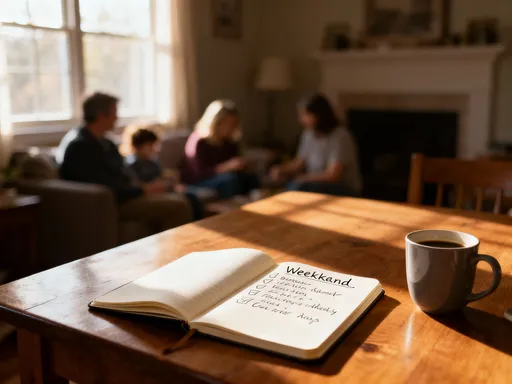
So I adjusted. I moved grocery shopping to my high-energy days. I scheduled parent-teacher conferences during balanced phases. I saved tough conversations with my teens for when my emotional resilience was at its peak. And I stopped forcing myself to host playdates or deep-clean the house during my low-energy window.
The result? Less stress. Fewer meltdowns. More joy. My family didn’t even realize I was doing anything different—except that I seemed calmer, more present, and more patient. And that’s the beauty of it. When you align your schedule with your biology, you’re not neglecting your family. You’re showing up for them in a more sustainable way. You’re protecting your energy so you can give your best self—not a depleted version—when it matters most.
Grandparents, Sisters, and the Circle of Care
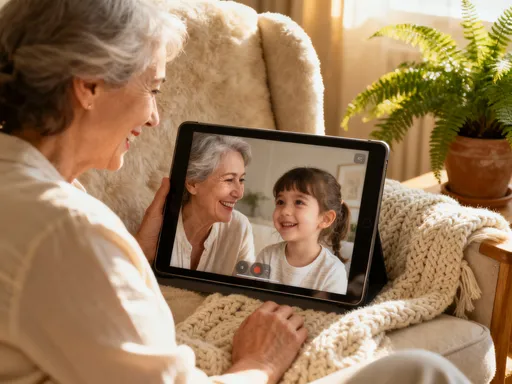
One of the most unexpected gifts of using a period app has been the connection it’s brought me with the women in my life—especially my mother and sister. We’ve always been close, but there was always this unspoken distance around our health. We’d talk about recipes, vacations, or the kids, but rarely about how we were really feeling.
Then one day, my sister texted me: “I noticed your app shows you’re in a high-sensitivity phase. Are you doing okay?” I was touched—not just by the message, but by the fact that she was paying attention. We started comparing patterns. We laughed about how similar our cycles were—both heavy on the first day, both craving chocolate before our periods, both more forgetful in the luteal phase.
It wasn’t just bonding. It was healing. For the first time, we were talking openly about our bodies—not with shame or secrecy, but with curiosity and care. And when I shared a simplified chart with my mom, she said something that surprised me: “I wish I’d had this when I was raising you girls. I didn’t understand my own body, let alone how to support yours.”
Now, we check in during certain phases. We send each other gentle reminders: “Hydrate today,” or “Rest if you need to.” It’s not medical advice. It’s love in action. And for younger relatives—nieces, granddaughters, goddaughters—we’re modeling a new way of being: one where women support each other not despite their cycles, but because of them.
Beyond Tracking: Apps That Suggest Real-Life Actions
Here’s what I love most about today’s period apps—they don’t just track your cycle. They respond to it. They’re not passive tools; they’re active allies. They don’t just say, “Your period starts in two days.” They say, “Your period starts in two days. Try drinking chamomile tea tonight. Stretch for 10 minutes. Ask for help with dinner.”
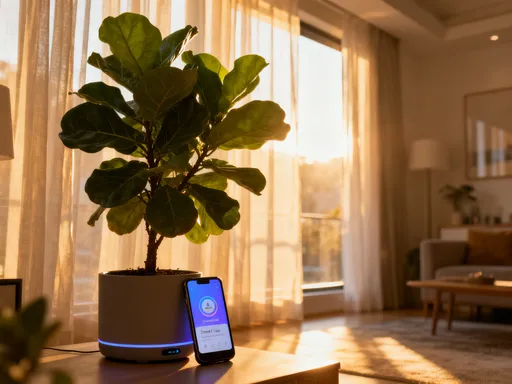
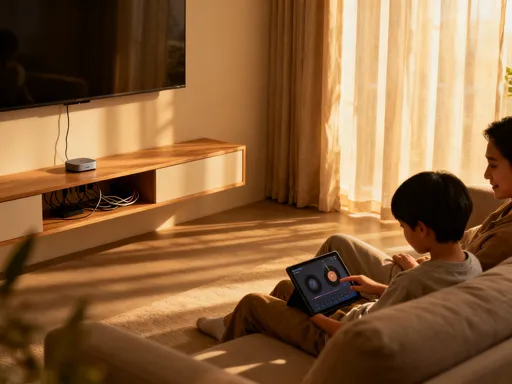
Some apps even integrate with smart home devices. Imagine your lights dimming automatically during high-sensitivity days, or your speaker suggesting a calming playlist when your mood is likely to dip. Others send gentle nudges: “You’ve been sedentary today. How about a family walk after dinner?” Or “Your energy is rising—perfect time to tackle that closet organization!”
These aren’t just notifications. They’re invitations to care—for yourself and your family. When the app reminds you to rest, and you actually do, you’re modeling self-respect. When it suggests a family walk, and everyone puts on their shoes, you’re building connection. These small actions, guided by technology, become rituals of well-being.
And the best part? They’re not disruptive. They’re seamless. You don’t need to spend hours analyzing data. You just open the app each morning, read the insights, and let them guide your day. It’s like having a wise friend whispering gentle advice: “Be kind to yourself today. You’ve got this.”
A Calmer Home Starts with One Small Habit
If you’d told me five years ago that a little app on my phone could make my family life more peaceful, I might have laughed. But now, I see it clearly. That five-minute morning check-in—scrolling through my cycle insights, reading the gentle suggestions, taking a moment to center myself—has become one of the most powerful acts of love I practice.
Because it’s not just about me. It’s about how I show up for my husband, my kids, my parents, my friends. When I’m in tune with my body, I’m more patient. When I honor my energy, I’m more present. When I share my rhythms, I invite understanding. And when I care for myself, I’m not being selfish—I’m filling my cup so I can pour into others.
Period tracking used to feel like a private, almost clinical task. Now, it feels like a quiet revolution—one that starts within but ripples outward. It’s teaching our families that emotions aren’t random. That rest isn’t laziness. That self-care isn’t indulgence—it’s the foundation of a healthy home.
So if you’ve ever thought, “This app is just for me,” I invite you to reconsider. What if it’s also for your partner, who wants to understand you better? For your daughter, who’s learning what it means to be a woman? For your mother, who never had these tools? What if your daily habit isn’t just about health—but about harmony?
You don’t need to change everything at once. Just start with one small step. Open the app. Read the insight. Breathe. And let that moment of awareness become the first thread in a stronger, more connected family life. Because sometimes, the most powerful technology isn’t the one that changes the world—it’s the one that helps you show up as your best self, right where you are.