Tracked 30 Days of Coffee Runs: This App Cut My Spending by Half
We’ve all been there—rushing to meet friends, grabbing an overpriced latte without thinking. I did it too, until I realized how quickly those small treats added up. What started as a casual habit quietly became a major drain. But one simple app changed everything. It didn’t judge or restrict me—just showed me the truth. And with that awareness, I gained control, saved money, and still enjoyed my moments out. This is how tech quietly transformed not just my budget, but my mindset.
The Coffee Habit That Crept Up on Me
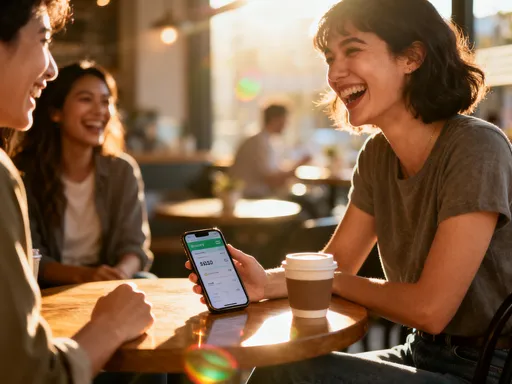
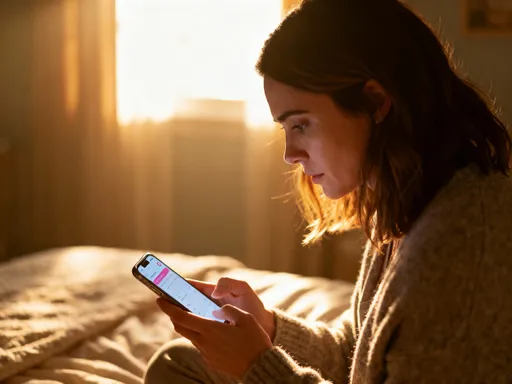
I used to think I had a harmless little ritual: meeting friends at cozy cafés, catching up over warm drinks, watching the world go by. It felt like self-care, like connection, like a small luxury in a busy week. A flat white here, an oat milk cappuccino there—sometimes a scone, sometimes a muffin. Nothing extravagant. Just little joys. But when I opened my bank statement one quiet Sunday evening, I froze. The total from the last three months? Over $300. On coffee and pastries. Just from our meetups. I hadn’t realized it was that much. It wasn’t the price of the drink that shocked me—it was the frequency. I wasn’t treating myself once in a while. I was doing it almost every other day. And suddenly, those little joys didn’t feel so light. They felt heavy. Like a habit I hadn’t chosen, but one that had chosen me.
What made it worse was that I didn’t even remember every visit. Some days, I’d stop by after dropping the kids at school. Others, after a long work call. It wasn’t about the coffee—it was about the pause, the moment of calm. But paying for it every time? That started to feel like a luxury I couldn’t keep justifying. I didn’t want to stop seeing my friends. I didn’t want to give up those peaceful moments. But I did want to stop feeling that little twinge of guilt every time I checked my account. I needed a way to enjoy my life without the financial hangover. And that’s when I decided to stop guessing and start seeing—really seeing—what I was spending.
How I Started Tracking—Without the Hassle
I’d tried budgeting before. Spreadsheets, sticky notes, even a little notebook I kept in my purse. But it never stuck. It felt like homework. Like punishment. I’d write down one coffee, then forget the next three. By day four, I’d give up. What I needed wasn’t more work—it was something that worked with my life, not against it. That’s when I discovered an app that connected directly to my debit card. No manual logging. No stress. It automatically pulled in every transaction and sorted them into categories—groceries, gas, dining, and yes, coffee shops.
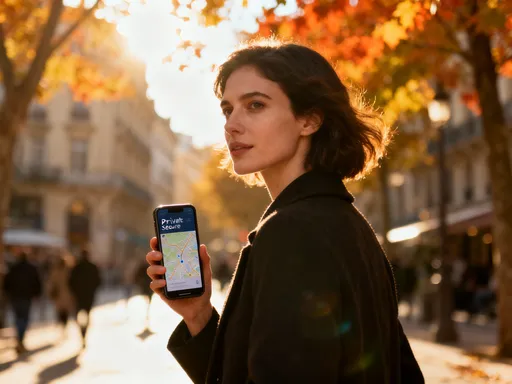
The first time I opened it, I was stunned. There it was: a clean little chart showing exactly how much I’d spent on cafés in the past month. $127. And a map of my visits—dots over six different locations, clustered around my weekday routines and weekend meetups. It even showed trends: I spent more on Fridays, almost always after 3 p.m., and I was more likely to stop by if I hadn’t eaten breakfast. None of it was judgmental. There were no red flags, no warnings, no scolding messages. Just data. Clear, calm, and honest. And somehow, that was more powerful than any guilt trip. Seeing it laid out like that made it real. It wasn’t just money disappearing—it was a pattern. A rhythm I hadn’t even known I was following.
What surprised me most was how little effort it took. I didn’t have to do anything except keep using my card. The app did the rest. And because it felt so easy, I kept using it. Within a week, I started noticing things—like how often I visited the same place just because it was convenient, or how I’d order a drink even when I wasn’t really craving it. The app didn’t tell me what to do. It just helped me see what I was already doing. And that tiny shift—going from guessing to knowing—was the first step toward change.
The Realization: It Wasn’t Just About Coffee
At first, I thought the problem was simple: I liked coffee too much. But the more I looked at the data, the more I realized it wasn’t about caffeine at all. It was about connection. Every dot on that map lined up with a moment I was with someone I cared about. Coffee wasn’t the goal—it was the excuse. The drink was just a prop in a much bigger story: me wanting to be present, to slow down, to laugh with a friend, to feel seen.
But here’s what I didn’t plan for: I was using coffee runs as emotional glue. Celebrating a win? Let’s get lattes. Need to vent? Meet me at the corner café. Nothing to talk about? We’ll fill the silence with sips and small talk. Over time, I’d turned a simple drink into a ritual of reassurance. And every time I paid, I wasn’t just buying coffee—I was buying comfort, connection, and a sense of normalcy. The app didn’t just track my spending. It reflected my emotional rhythm. It showed me that my wallet wasn’t the only thing being drained—my energy was, too. I was outsourcing my peace of mind to a $5 drink.
That realization hit me hard. I didn’t need to cut out coffee. I needed to understand why I was reaching for it. Was I actually hungry? Stressed? Lonely? The app couldn’t answer those questions, but it gave me the space to ask them. And once I started paying attention, I noticed other patterns. On days when I’d had a good morning—time to myself, a quiet walk, a proper breakfast—I was less likely to stop by a café. I didn’t need the pause as much. The drink wasn’t the solution. It was a symptom. And once I saw that, I could start making real choices—not just about money, but about how I wanted to feel.
Small Shifts, Big Results
I didn’t want to go cold turkey. I still love the warmth of a good cup, the smell of fresh beans, the hum of conversation in a quiet café. But I wanted to enjoy it on my terms—not by accident, not out of habit, but because I chose to. So I made a few small changes. First, I set a weekly goal: one coffee out, max. Not zero. Not perfection. Just one intentional treat. I told my friends, half-joking, “I’m on a coffee budget—let’s make it count.” To my surprise, they loved the idea. One friend challenged me to bring my reusable cup every time. Another said she’d match me—only one café visit a week. We turned it into a little game, texting each other photos of our drinks like we were sharing trophies.
The app helped keep me on track. It sent gentle nudges—“You’ve visited three cafés this week—on track for your goal?”—not as a scolding, but like a friend checking in. And when I hit milestones, it celebrated with me. “You’ve saved $35 this month!” or “You’ve had five café-free days in a row—great job!” Those little messages did more than motivate me. They made me feel capable. In control. Like I wasn’t missing out—I was choosing differently.
And the best part? The joy didn’t go away. If anything, it grew. When I did go out for coffee, I savored it more. I stayed longer. I put my phone away. I really listened. It wasn’t just a quick stop—it was an event. I started picking places I’d never tried, treating myself to a new flavor, or bringing a book. The drink became a celebration, not a crutch. And because I was spending less overall, I had room in my budget for other things—like a new sweater, a family dinner out, or even just the peace of mind that comes from knowing I’m not overspending.
How Frequency Shapes Spending—And How to Reset It
One of the biggest lessons the app taught me was this: frequency matters more than price. A $4 coffee doesn’t sound like much. But five times a week? That’s $80 a month. $960 a year. That’s not a small treat—that’s a subscription. And I wasn’t even getting unlimited access. I started to see my spending not in terms of individual purchases, but in patterns. How often am I doing this? Is it daily? Weekly? Is it automatic, or intentional?
Once I focused on frequency, everything shifted. I applied the same idea to other areas. Streaming services—I was paying for four, but only regularly used one. So I paused the others. Takeout—I loved a good Thai curry, but ordering twice a week was adding up. Now I do it once every two weeks, and I make it special—candles, music, the whole thing. Even online shopping—I noticed I’d browse when I was bored, click “buy” on things I didn’t need. So I set a rule: no impulse buys under $25 unless I wait 48 hours. Most of the time, I forget about it. And if I still want it? Then it’s a real choice.
The app didn’t just help me track coffee. It gave me a lens for my whole spending life. It showed me where I was on autopilot—and where I could take back control. And the most powerful part? I didn’t have to deprive myself. I just had to slow down. To pause. To ask, “Do I really want this, or am I just used to it?” That tiny pause made all the difference. It turned mindless spending into mindful choices. And that’s where the real savings came from—not from cutting out joy, but from making joy more meaningful.
Sharing the Win With Friends
The next time we met for coffee—yes, we still meet—I brought my reusable cup and shared what I’d learned. I didn’t preach. I didn’t say anyone was spending too much. I just showed them the app on my phone, explaining how it had opened my eyes. One friend gasped when she saw my monthly total. “I spend more than that,” she said. Another pulled up her own banking app and started adding up her juice bar visits. “Wait,” she said, “I think I’m spending more on cold-pressed kale shots than my car payment.” We all laughed, but there was a moment of quiet realization.
Within a week, two of them had downloaded the app. One discovered she was spending over $200 a month on smoothies and açaí bowls. Another realized she’d been renewing a gym membership she hadn’t used in eight months. We started talking about money—not in a stressful way, but in a “can you believe this?” kind of way. Like we were solving a mystery together. And slowly, our meetups began to change. We started planning picnics in the park with homemade sandwiches. We took long walks and brought thermoses of tea. We hosted brunches at each other’s homes, taking turns cooking. The connection didn’t fade—it deepened. We weren’t just sharing lattes anymore. We were sharing awareness. And that felt even more valuable.
What surprised me most was how much more present we all became. Without the pressure to spend, we could just be. We talked more. We listened more. We didn’t need a drink to fill the space. And when we did go out for coffee, it felt like a real treat—not something we did by default. We’d plan it, look forward to it, make it special. The app didn’t just change my spending. It changed how we connected. And that was worth more than any savings.
A Smarter, Lighter Way to Live
This journey wasn’t about cutting out joy. It was about making room for better joy. The app didn’t take anything away from me—it gave me something priceless: clarity. I still enjoy coffee. I still meet friends. But now, I do it with intention. I know what I’m spending. I know why I’m doing it. And that small shift—from automatic to aware—has changed everything.
I save money, yes. Over $500 in six months, to be exact. But more than that, I feel calmer. More in control. Less like I’m being pulled in a dozen directions by habits I didn’t choose. I’ve applied this same mindset to other parts of my life—meal planning, family outings, even how I spend my time. Awareness isn’t a restriction. It’s freedom. It’s the ability to say yes to what matters—and no to what doesn’t—without guilt or confusion.
Technology gets a bad rap sometimes. We hear about screen time, distractions, addiction. But this experience reminded me that tech, when used wisely, can be a quiet ally. It doesn’t have to be flashy or complicated. It can simply help us see ourselves more clearly. It can hold up a mirror and say, “Here’s what you’re doing. Now, what do you want to change?” And sometimes, that’s all we need—a little nudge, a little truth, a little help seeing what’s right in front of us.
I still treat myself. I still laugh with friends over warm drinks. But now, I do it on my terms. I choose the moment. I savor it. And I walk away without that quiet weight in my chest. That’s the real win. Not the money saved—but the peace found. And if a simple app can help me get there, I’ll say this: tech isn’t just smart. It can help us live smarter, lighter, and more intentionally—one small choice at a time.