From Lost and Stressed to Found and Fearless: How Smart Maps Gave Me My Confidence Back
Getting lost used to leave me panicked—missed trains, late arrivals, that sinking feeling in a strange city. I’d clutch my phone, fingers trembling, watching the spinning compass. But now? I walk into the unknown calmly, even joyfully. The same streets that once overwhelmed me feel familiar, even friendly. It’s not just about directions—it’s about trust, safety, and reclaiming peace of mind. And it all changed because of one quiet upgrade in how I navigate. It wasn’t a sudden miracle, but a slow shift, like learning to trust a new friend. Today, I don’t just find my way—I feel protected while doing it. And that small change has made all the difference in how I move through the world.
The Anxiety of Getting Lost – A Feeling We’ve All Known
Remember that moment? You're standing on a busy sidewalk, your phone screen flickering, and the map just... stops. The compass spins. Your heart does too. You glance around, trying not to look lost—but you are. Deeply. Maybe you’re supposed to meet your sister for lunch in a part of town you’ve never visited. Maybe you’re dropping your youngest at a new after-school program across town. Or maybe you’re on vacation, excited to explore, only to realize you’ve taken a wrong turn three blocks ago and now everything looks foreign. That tightness in your chest isn’t just about being late—it’s about feeling helpless. And for so many of us, especially women and mothers, that helplessness can feel dangerous.
I’ll never forget the time I got turned around in a train station abroad. My phone battery was at 12%, my daughter was tugging my sleeve asking for a snack, and the signs were in a language I couldn’t read. I tried to open the map app, but the Wi-Fi was spotty and the download kept failing. I stood there, frozen, as people rushed past me. I wasn’t just lost—I felt exposed. My confidence, already worn thin by travel fatigue, crumbled. That day, I didn’t just miss my train—I missed my sense of control. And it stayed with me long after I finally found my way. I started avoiding new places. I said no to weekend trips. I let fear quietly shrink my world.
But here’s the truth: getting lost isn’t a personal failure. It’s a human experience. Cities are complex. Transit systems change. Languages differ. And yet, so much of our modern life depends on moving from one place to another—on time, with kids, with groceries, with dignity. When navigation fails us, it doesn’t just disrupt our schedule; it shakes our belief in ourselves. We start to wonder: Can I handle this? Am I capable? That’s why the right tools matter—not just for convenience, but for confidence. Because when you can trust your way, you can trust yourself again.
How Navigation Apps Used to Add to the Chaos
For years, I thought the solution was just better apps. I downloaded every map tool I could find—ones with voice guidance, ones with offline modes, ones that promised “real-time traffic.” But so many of them made things worse. I’d be walking confidently down a street, only to hear, “Recalculating…” and suddenly, I was being sent in circles. The voice would lag, giving me turn instructions two blocks too late. Or the app would freeze during a critical moment, like when I was trying to find a hospital during a family emergency. And the worst part? I started to wonder who else was seeing my location. Was my data being stored? Shared? Sold? I remember reading an article about how some apps were quietly tracking users even when closed. I felt violated—and I wasn’t even sure why I should care. But deep down, I did. Because my movements were part of my private life. My routines. My children’s school drop-offs. My doctor’s appointments. That data wasn’t just numbers—it was my story.
And the stress wasn’t only about privacy. It was about reliability. I once followed a route that led me down a dark alley at night—no streetlights, no foot traffic. The app said it was the “fastest way,” but it didn’t know the area had been flagged for safety concerns. I turned back, heart pounding, and called my husband just to hear a familiar voice. In that moment, I realized: not all navigation tools are created equal. Some prioritize speed over safety. Some value data collection over user trust. And when you’re a mom, a caregiver, someone responsible for others, that imbalance feels personal. I didn’t want a tool that made me dependent. I wanted one that had my back.
So I started paying attention—not just to where the app could take me, but how it treated me. Did it respect my time? My privacy? My peace of mind? The more I looked, the more I realized that the tech world was beginning to shift. Not all companies were ignoring these concerns. Some were listening. And slowly, quietly, a new kind of navigation was emerging—one that didn’t just guide, but protected.
The Shift: When Maps Started Protecting Me, Not Just Guiding Me
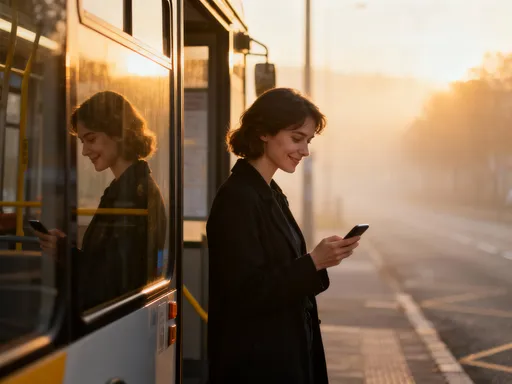
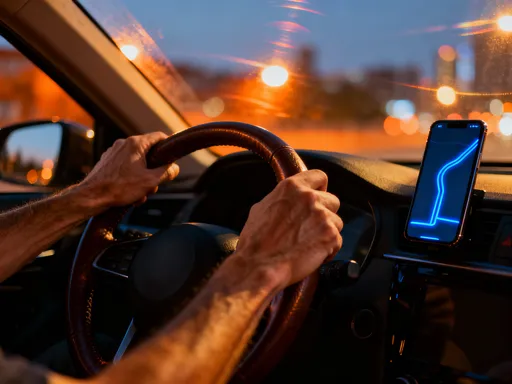
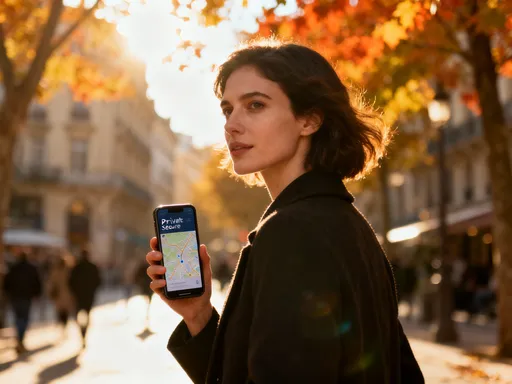
The change didn’t come with a flashy ad or a big announcement. It came on a rainy afternoon when I was traveling alone with my daughter to visit my aging mother. We had to switch trains twice, walk six blocks, and find a small clinic for her allergy shot. I was anxious—this wasn’t a route I knew. But this time, I used a different app. One that promised end-to-end encryption for location data. One that processed directions on the device, not in some faraway server. And something felt different from the start. The voice was calm. The route avoided poorly lit side streets. And when I turned off location sharing, I knew it was really off—not just hidden from view, but truly disconnected.
Halfway through the trip, my daughter asked, “Mom, how do you know where we’re going?” And I realized I wasn’t clutching my phone. I wasn’t constantly checking. I was present—talking to her, pointing out a flower shop, laughing at a dog in a raincoat. Because I trusted the tool. Not blindly, but because I understood how it worked. It wasn’t tracking me when I didn’t want it to. It wasn’t selling my data. It was simply helping me get where I needed to go—safely, efficiently, quietly. That day, I didn’t just arrive on time. I arrived calm. And that calm stayed with me.
That experience changed how I thought about technology. It wasn’t just about features or speed. It was about values. An app that respects your privacy isn’t just “secure”—it’s respectful. It treats you like someone who matters. And for a woman who’s always on the move—juggling family, work, appointments, errands—feeling respected by your tools is more important than you’d think. It’s the difference between feeling watched and feeling supported. Between anxiety and assurance. That rainy day trip didn’t just get me to the clinic. It got me back something I thought I’d lost: my confidence to move through the world without fear.
Everyday Freedom: How Reliable Navigation Changed My Routine
You’d think the biggest wins would be on big trips. But the real magic? It’s in the small moments. Like last week, when my daughter’s school called to say her bus was rerouted due to construction. I had ten minutes to pick her up from a new stop three blocks away. I opened the app, got walking directions in seconds, and arrived just as the bus pulled up. No panic. No running. No frantic calls to other parents. Just calm, clear guidance. And when she saw me waiting, she smiled and said, “You always know where to be.” That simple moment meant everything.
Or the Saturday I decided—on a whim—to try that bakery everyone’s been talking about. I didn’t research it. I didn’t ask for directions. I just said, “Take me to the nearest highly rated bakery,” and let the app lead the way. I walked in, ordered a pastry, sat by the window, and read a book for an hour—something I haven’t done just for myself in years. That spontaneous joy? It wasn’t luck. It was possible because I trusted my navigation tool to get me there and back without hassle. No fear of getting lost. No worry about data leaks. Just freedom to say “yes” to a little pleasure.
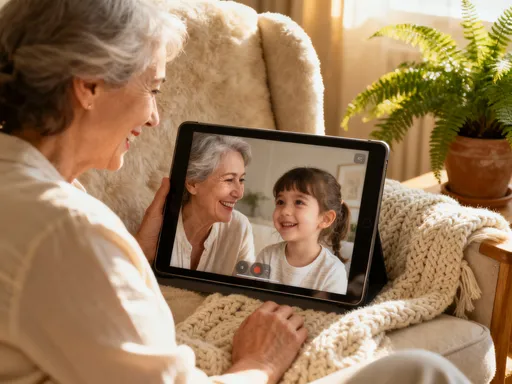
And it’s not just me. My mother, who’s in her 70s, recently started using a simplified version of the same app. She was nervous at first—“I don’t want to be tracked,” she said. But once she learned how to control her privacy settings, she started going to her book club again, even when the meeting spot changed. She even took a solo day trip to a garden she hadn’t visited in decades. “I felt like myself again,” she told me. That’s the power of good tech—not just convenience, but reconnection. With places. With people. With your own courage.
These small wins add up. Less stress. More time. More joy. And over time, a quiet transformation: you stop seeing the world as something to survive and start seeing it as something to explore. That shift didn’t happen because the streets changed. It happened because my relationship with technology did.
Teaching My Teen to Navigate—And Stay Safe
Last month, my daughter turned 14. And with that came a new milestone: she wanted to go to the mall with friends—on her own. My first instinct? Say no. My second? Worry. But I knew I couldn’t protect her by keeping her close forever. So we sat down together and had a conversation about digital safety. Not just “don’t talk to strangers,” but “know how your apps work.” We opened her phone and looked at the navigation app she uses. I showed her how to check privacy settings. How to turn off location sharing when she’s not using it. How to recognize when an app is asking for more data than it needs.
We talked about why it matters. “Your location is personal,” I said. “Just like your diary or your text messages. You get to decide who sees it.” She listened, nodding. Then she asked, “Can I share my location with you when I’m out? So you know I’m safe?” My heart swelled. It wasn’t about control. It was about care. We set up a routine: she shares her location only when she’s traveling somewhere new, and only with me and her dad. And she knows how to turn it off the moment she arrives. That balance—autonomy and safety—felt right.
But it wasn’t just about settings. It was about mindset. I told her, “Trust your gut. If a route feels unsafe, don’t take it. Even if the app says it’s faster. You’re the boss of your journey.” We practiced finding alternate paths, checking street views, looking for well-lit areas. It became more than a tech lesson—it became a life lesson. About responsibility. About boundaries. About knowing your worth. And now, when she heads out, I don’t just pray she’s safe. I know she has the tools—and the wisdom—to stay that way.
Behind the Scenes: How Data Protection Works (Without the Jargon)
I know what you’re thinking: “This all sounds great, but how do I know it’s really secure?” I felt the same way. So I did some digging—not as a tech expert, but as a mom who cares about her family’s privacy. And what I learned surprised me. Modern navigation apps don’t have to send your location to a server to work. Some store all the map data and route calculations right on your phone—like keeping your recipes in a kitchen drawer instead of mailing them to a stranger every time you cook. That means no one else sees your route. No company. No third party. Just you.
And when it comes to location sharing, the best apps use encryption—like putting your data in a locked box that only you and the person you’re sharing with can open. Even if someone intercepts it, they can’t read it. Plus, you can delete your location history anytime—like clearing your search bar. No permanent record. No hidden files. It’s your data, your rules.
Think of it like the locks on your front door. You don’t notice them every day, but you’d feel unsafe without them. These privacy features work the same way—quiet, automatic, essential. And just like you teach your kids to lock the door when they leave, you can teach them to manage their digital safety too. It’s not about fear. It’s about respect. For your time, your space, your life. And the best part? You don’t need to be a tech genius to use it. The settings are simple. The controls are clear. And once you set them up, you can move through the world with a little more peace—and a lot more confidence.
Finding More Than Directions—Rediscovering the Joy of Exploration
It’s been over a year since I started using smarter, safer navigation tools. And the change goes beyond not getting lost. I’ve started saying “yes” again. Yes to weekend hikes I used to avoid. Yes to meeting friends in new neighborhoods. Yes to driving to a town I’ve never seen, just because the name sounded interesting. I’ve walked through autumn forests, found quiet lakes, discovered bookshops with creaky floors and the smell of old paper. I’ve sat in parks and watched the world go by, not because I had to, but because I wanted to.
And I’ve noticed something: when you’re not afraid of getting lost, you’re more open to being found. Found by new experiences. Found by joy. Found by yourself. Because every time I step into the unknown with a trusted tool in my pocket, I’m not just navigating streets—I’m reclaiming my freedom. My curiosity. My courage. And that’s something no map can draw, but every woman deserves to feel.
So if you’ve ever hesitated before a trip, doubted your ability to handle a new place, or felt uneasy about how your data is used—know this: you’re not alone. And you don’t have to choose between safety and exploration. Between privacy and convenience. The tools exist now to have both. Not perfect ones—nothing is. But good ones. Thoughtful ones. Ones that put you first. And when technology does that, it stops being just a gadget. It becomes a quiet companion. A partner in your journey. A reason to walk a little farther, stay a little longer, and believe—again—that the world is yours to discover.