I used to lose my weekend plans every Saturday morning — until I found this simple tool
Life on weekends should feel light, joyful, and under control — not chaotic and forgotten. Yet how many times have you promised yourself, “This weekend, I’ll organize the photos, plan the family outing, finally start that hobby,” only to end up scrolling mindlessly or rushing through half-finished tasks? I’ve been there too. But everything changed when I discovered how a quiet corner of social tech — experience exchange forums — could quietly transform my weekends with simple, practical organization tools that actually fit real life.
The Weekend Mess We All Know
Remember that feeling? You wake up on Saturday morning with the best of intentions. The house is quiet, the kids are still asleep, and for once, you have a few hours just for yourself. You think, “Today’s the day. I’m going to sort through those old photo folders, pick a fun outing for the family, maybe even start that knitting project that’s been sitting in the closet for months.” But then, life happens. The dog needs a walk. The grocery list appears out of nowhere. A text from your sister reminds you about the birthday gift you forgot. By lunchtime, your to-do list has tripled, and your original plans have vanished into the mental fog.
Sunday rolls around, and suddenly it’s 5 p.m., and you’re staring at the clock, wondering where the weekend went. You didn’t do any of the things you wanted to. You didn’t relax. You didn’t connect. You didn’t grow. And instead of feeling refreshed, you feel… guilty. Like you wasted precious free time. Sound familiar? I used to live in that cycle. Every weekend felt like a missed opportunity. I’d make plans, lose them, feel bad, and promise to do better next time. But “next time” never came. Because the problem wasn’t my motivation — it was my system. Or rather, the lack of one.
What I didn’t realize then was that I wasn’t alone. So many of us are juggling work, family, and personal dreams, and we expect ourselves to just “remember” everything. But our brains aren’t designed to hold onto a dozen little tasks without help. And yet, we keep blaming ourselves when we forget. We call ourselves disorganized, lazy, or overwhelmed. But the truth is, we’re not failing — we’re just using tools that don’t fit our lives. And that’s where everything changed for me.
How a Simple Forum Post Changed My Sunday
It started with a rainy Sunday afternoon and a cup of tea. I was curled up on the couch, avoiding the mess in the kitchen, scrolling through an online community I’d joined months ago — one of those quiet corners of the internet where people share real-life tips, not polished influencer content. No filters. No ads. Just honest stories from people like me trying to make life a little easier.
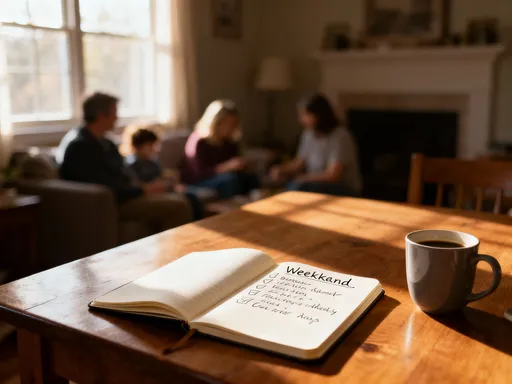
And then I saw it — a post titled, “How I stopped dreading Sundays.” The writer wasn’t a productivity guru or a tech expert. She was a mom of two, a part-time teacher, just like me. She wrote about how she used to spend every Sunday feeling anxious, rushing to prep for the week, forgetting half the things she meant to do. Then she found a simple shared template — a one-page weekend planner — that someone else had uploaded to the forum. She printed it, filled it out every Friday night, and stuck it on the fridge. That small act, she said, changed everything.
I remember reading that post and thinking, “That’s it? A piece of paper?” But something about her tone felt real. She wasn’t selling anything. She wasn’t promising miracles. She was just saying, “This worked for me.” And because it came from someone who sounded like she truly got it — the chaos, the guilt, the desire for peace — I decided to try it. I downloaded the template, printed it, and that Friday night, I sat down with a pen and actually planned my weekend. Not in my head. On paper. And for the first time in years, I followed through.
Saturday felt different. I knew what I was doing. I didn’t have to keep asking myself, “What should I do now?” I had a plan. I still had interruptions — of course I did — but now I could adjust without losing everything. That Sunday, instead of dread, I felt calm. I’d done the things that mattered. And I realized something powerful: the right tool, shared by the right person, can change your life in ways you never expect.
What Experience Exchange Forums Actually Are (And Why They’re Different)
You might be wondering — what exactly is an experience exchange forum? It’s not a social media feed full of highlights. It’s not a marketplace. It’s not an app store. It’s a space — usually organized by topic, like parenting, home organization, or personal growth — where real people come together to share what actually works in their lives. No scripts. No sponsorships. Just honest, tested advice from people who’ve been in the trenches.
Think of it like the digital version of sitting in a friend’s kitchen, sipping coffee, and talking about how you manage your week. Someone says, “I used to forget my son’s soccer games until the last minute, but then I started using a shared family calendar — here’s how we set it up.” Another person chimes in, “I tried that, and it helped, but I added color-coded events for each kid, and now it’s even better.” That kind of real, back-and-forth exchange — that’s what these forums are built on.
What makes them different from other online spaces is the lack of noise. There’s no algorithm pushing you toward viral content or products you don’t need. You’re not bombarded with ads for the latest gadget or app. Instead, you’re seeing what regular people are actually using and why. And because the tools and tips shared there have been tried in real homes, with real families, they tend to be simple, practical, and — most importantly — sustainable.
These aren’t flashy solutions. They’re the kind of things you wouldn’t think to search for, but when you see them, you think, “Oh, I could actually do that.” A printable chore chart. A shared grocery list in a notes app. A weekend reflection prompt. Small things, yes — but together, they add up to real change. And because they come from people like you and me, they feel trustworthy. You don’t have to wonder if it’s just marketing. You can read the comments, see how others adapted it, and decide if it fits your life.
The Tools That Work — Not Because They’re Fancy, But Because They’re Shared
One of the most surprising things I’ve learned is that the best tools aren’t the most advanced. They’re the ones that are easy to use, easy to share, and easy to stick with. And many of them aren’t even new — they’ve just been rediscovered and reshaped by people in these forums.
Take shared calendars, for example. Most of us have access to them — Google Calendar, Apple Calendar, Outlook — but so many families still operate in silos. Mom remembers the dentist appointment. Dad thinks it’s next week. The kids have no idea. But in one thread, a user shared how her family started using a single shared calendar with color-coded events. Each person has their own color. When plans change, everyone gets notified. No more double-booking. No more missed events. She even added a “family fun” tag so they could track how often they did something together. Simple? Yes. Life-changing? Absolutely.
Another popular tool is the digital note-taking template. One woman shared a Sunday planning template she uses in a free notes app — just a simple checklist with sections like “Family Time,” “Me Time,” “Errands,” and “Let Go.” Every Friday night, she fills it out with her partner. They talk about what matters, adjust based on the week’s energy, and let go of what’s not essential. She said the act of writing it down — together — made them feel more connected and less reactive.
And then there are reminder systems. Not the kind that buzz every five minutes, but gentle nudges — like a weekly email reminder to check the family calendar, or a recurring note that says, “Did you take a moment for yourself this week?” These aren’t flashy. They don’t have AI or voice assistants. But because they’re shared, refined, and tested by real people, they work. They fit into real lives. They respect our time, our energy, and our emotions. And that’s why they stick.
How I Started Small — And Why That Matters
When I first read about these tools, I wanted to do everything at once. I downloaded five templates. I tried to set up a shared calendar, a chore chart, and a meal planner — all in one weekend. And guess what? I burned out by Sunday afternoon. It felt like another project to manage, not a relief.
That’s when I went back to the forum and searched for “how to start small.” And I found a post that said, “Pick one thing. Just one. And do it well.” So I did. I chose the Sunday planning checklist — the simplest one I could find. Just five lines: one for family plans, one for personal goals, one for errands, one for self-care, and one for “let go.”
Every Friday night, I’d sit with my tea, open the template on my phone, and spend ten minutes planning. No pressure. No perfection. If I only filled out two lines, that was fine. If I changed plans Saturday morning, that was okay too. The point wasn’t to follow the plan exactly — it was to have a plan. And slowly, something shifted. I started feeling more in control. Less scattered. More present.
The emotional change was even bigger than the practical one. I wasn’t beating myself up anymore. I wasn’t starting the week with regret. I was building confidence — not because I was doing more, but because I was doing what mattered. And that small win? It led to another. After a month, I added the shared calendar. After two months, I tried the meal planning template. But I got there because I started small. And that’s the secret most people miss: transformation doesn’t come from overhaul. It comes from consistency, one tiny step at a time.
Building Connection Through Shared Systems
Here’s something I didn’t expect: using these tools didn’t just help me — it helped my family. When I started using the shared calendar, my kids would come to me and say, “Mom, did you see my piano recital is next Saturday?” They felt included. Seen. Important. My husband stopped asking, “What are we doing this weekend?” because he could check the plan himself. And when we sat together to fill out the Sunday checklist, it became a little ritual — a moment of connection in a busy week.
Planning stopped being my job. It became our thing. We’d talk about what we wanted to do, what we needed to do, and what we could let go of. The kids would suggest hikes or board game nights. My husband would remind me of the garden project we’d been putting off. And I’d finally add that yoga class I kept saying I’d try. We weren’t just organizing our time — we were building memories.
And here’s the beautiful part: the technology faded into the background. I wasn’t thinking about the app or the template. I was thinking about my family. The tool was just the bridge. It gave us a shared language, a common space to align our lives. It reduced friction — no more misunderstandings, no more forgotten promises. And in its place, we found more room for laughter, for spontaneity, for being together.
That’s the real magic of these tools. They don’t replace human connection — they make space for it. By handling the small logistics, they free us up to focus on what really matters: being present, being kind, being together.
From Survival Mode to Living Mode — The Real Win
Looking back, I can see how much has changed. Weekends no longer feel like a race against time. They feel like a gift. I still have busy days. I still forget things sometimes. But now, I have a system — gentle, flexible, and human — that helps me stay on track without losing myself.
The real win isn’t that I finally organized my photos (though I did). It’s not that I remembered every errand or completed every project. The real win is that I feel more like myself. I have space to breathe. To create. To connect. I’m not just surviving the weekend — I’m living it.
And the best part? None of this came from a high-priced app or a complicated system. It came from a community of people who were just trying to figure it out, one small step at a time. They shared what worked. I tried it. It helped. And now, I’m sharing it with you.
If you’re feeling stuck in that cycle of good intentions and forgotten plans, I want to invite you to explore these experience exchange forums. Don’t go looking for perfection. Don’t try to do it all. Just look for one idea — one small tool — that speaks to you. Try it. See how it feels. Adjust it. Make it yours.
Because the truth is, you don’t need a tech upgrade. You need a life upgrade. And sometimes, the simplest tools — shared by someone who’s been exactly where you are — can make all the difference. Your weekends don’t have to be chaotic. They can be calm. They can be joyful. They can be yours. Start small. Be kind to yourself. And see what unfolds.