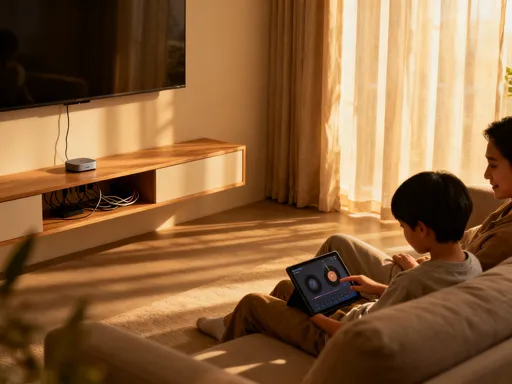
Tired of Awkward Misunderstandings with Your Partner? This Screen Recording Trick Changed How We Connect
We’ve all been there—trying to explain a tech issue, share a funny moment online, or show each other something important on our screens, only for words to get lost in translation. “Just look at the top right!” turns into frustration when they can’t see what you’re seeing. I used to feel disconnected, even when we were just in separate rooms. But everything shifted when we started using simple screen recordings to communicate. It wasn’t about fancy tools—it was about clarity, care, and staying close without the confusion. What began as a quick fix for a shared calendar glitch turned into one of the most meaningful ways we now connect every day. And the best part? You don’t need any special skills or expensive apps. Just your phone, your voice, and a willingness to say, “Let me show you.”
The Little Misunderstandings That Add Up
It’s easy to overlook how many tiny moments in a relationship depend on shared understanding. Think about the last time you tried to explain something on your phone or computer to your partner. Maybe it was how to update a shared spreadsheet for your home budget, or where to find the kids’ school event on the family calendar. You say, “Click on the blue bar at the bottom,” and they reply, “Which one? There are three!” Suddenly, what should’ve taken 30 seconds turns into a five-minute back-and-forth that leaves both of you a little more stressed than when you started.
These aren’t big fights. No one raises their voice or storms off. But over time, these little gaps in communication chip away at that sense of being on the same team. I remember one evening, I was trying to show my husband how to access our medical records online. I kept saying, “It’s right there, under ‘My Account’,” but he wasn’t seeing it. After ten minutes, I sighed and said, “Never mind, I’ll do it.” He looked defeated. It wasn’t about the medical records. It was about feeling like he wasn’t capable, and me feeling like I wasn’t being heard. That moment stayed with me. We weren’t fighting, but we weren’t connecting either.
What I’ve come to realize is that these misunderstandings aren’t about how well we talk to each other—they’re about the limits of language when it comes to visual information. We’re asking our partners to imagine something they can’t see, and then act on it. It’s like giving someone driving directions over the phone while they’re in the car—possible, but so much easier if you could just show them the route. That’s where screen recording came in, not as a tech solution, but as a bridge back to understanding.
How a Simple Screen Recording Fixed What Words Couldn’t
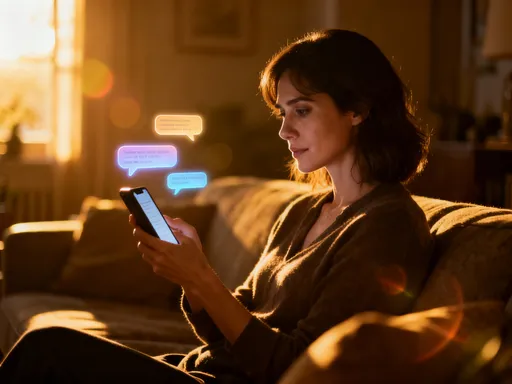
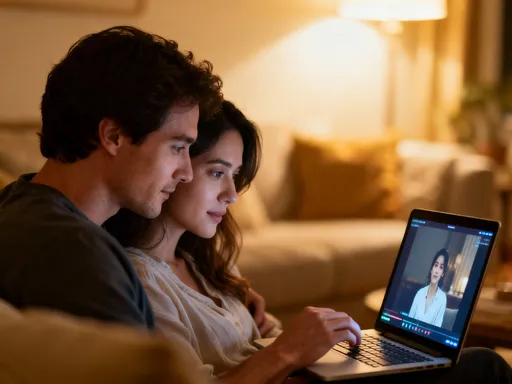
The turning point happened during a busy week when we were both juggling work and the kids’ schedules. I had set up a family calendar invite for a doctor’s appointment, but my husband missed it. When I asked why, he said he didn’t know how to find it in the app. Instead of explaining it again over the phone, I decided to try something different. I opened my phone, hit record, and walked through the steps: opening the calendar, scrolling to the right date, tapping the event, and showing where the details were stored. I added a voiceover, saying, “See? It’s right here. You can even set a reminder so it pops up.” Then I sent it to him in our messaging app.
Within minutes, he replied, “Ohhh! That makes so much sense now. Why didn’t you show me like this before?” That “ohhh” was like music. It wasn’t just about the calendar—it was about feeling seen, supported, and capable. He didn’t need me to do it for him; he just needed to see how. And for me, it felt like I was finally communicating in a way that actually worked. No frustration, no repetition, no tone of voice getting misread. Just clarity.
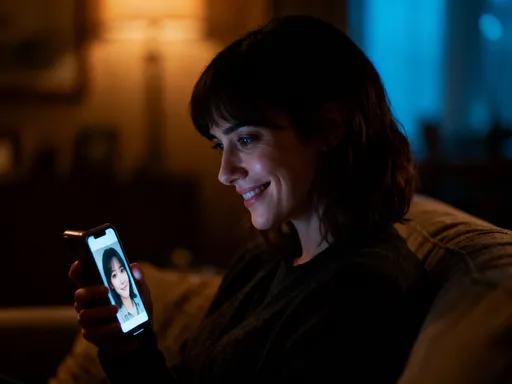
What surprised me most was how emotional the moment felt. It wasn’t just practical—it was intimate. By taking the time to show him, not just tell him, I was saying, “I care enough to make this easy for you.” And when he used the recording to set up his own events later, he sent me a quick clip back saying, “Look what I did!” That little exchange created a ripple of connection that lasted the whole day. It wasn’t a grand romantic gesture, but it strengthened our bond in a quiet, lasting way.
Why This Isn’t Just About Technology—It’s About Care
At its core, screen recording is an act of empathy. When you take the time to record your screen for someone, you’re stepping into their shoes. You’re acknowledging that what’s obvious to you might not be obvious to them, and you’re choosing to meet them where they are. It’s not about fixing their “tech skills”—it’s about honoring their experience and making space for patience. In a world that often feels rushed, this small act says, “I see you, and I want you to understand this the way I do.”
Think about how often we ask our partners to trust us without showing them the path. “Just click ‘accept’,” “It’s in the folder,” “You’ll figure it out.” These phrases come from a place of love, but they can leave the other person feeling lost. A screen recording flips that dynamic. It’s not about doing it for them—it’s about guiding them with kindness. I started using it for everything: showing my sister how to reorder her prescription, walking my mom through a video call setup, even sending my husband a quick clip of a recipe I wanted to try.
One of my favorite moments was when I recorded myself filling out a form for our daughter’s summer camp. I added little voice notes: “This part always glitches, so just wait a second,” or “Make sure you check the box here, or it won’t go through.” When I sent it, I wrote, “No pressure—just a little guide if you want to do it later.” He ended up using it the next day and told me, “It felt like you were right there with me.” That’s the magic. It’s not just about information transfer—it’s about emotional presence. You’re not just sharing steps; you’re sharing care, attention, and reassurance.
Privacy First: Keeping Your Shared Moments Safe
Of course, when you start sharing screen recordings, it’s natural to wonder about privacy. After all, you might be showing bank details, medical info, or personal messages. The good news is that most modern devices have built-in tools that let you record safely. For example, iPhones and many Android phones have screen recording features that don’t require downloading extra apps. And when you record within your device’s native system, your video stays on your phone unless you choose to send it.
I’ve learned a few simple rules to keep things secure. First, I never record passwords or sensitive login screens. If I need to show someone how to access an account, I’ll pause the recording before entering the password or use a fake one just for demonstration. Second, I use voiceovers instead of typing sensitive info on screen. For example, I’ll say, “Enter your password here,” without actually typing it. Third, I delete recordings after they’ve been used, especially if they contain personal details. My husband and I also agreed to only send clips through encrypted messaging apps like iMessage or WhatsApp, so they’re protected in transit.
But privacy isn’t just about data—it’s about emotional safety, too. I make sure to ask before recording anything that involves my partner, like a shared document or a family photo album. It’s a small courtesy, but it builds trust. And if I’m showing something that might feel overwhelming, like a complicated bill, I’ll add a gentle voice note: “Don’t worry, we’ll figure this out together.” That way, the recording doesn’t just inform—it comforts. Technology should never make us feel exposed or anxious. When used with care, it can actually deepen our sense of security in the relationship.
Making It a Habit: Easy Ways to Start Today
The beauty of screen recording is that it’s already on your phone or laptop. You don’t need to download anything or learn a new app. On an iPhone, you can add the screen recording button to your Control Center. On Android, it’s usually under “Quick Settings.” On a laptop, tools like QuickTime (for Mac) or the built-in Game Bar (for Windows) let you record with just a few clicks. Once you’ve recorded, you can play it back, trim the beginning or end if needed, and send it through your favorite messaging app.
Start small. Next time your partner asks how to do something on their phone, say, “Let me send you a quick video.” Maybe it’s how to save a photo to a shared album, how to mute themselves on a video call, or how to find a saved document. Add your voice—your tone makes it feel personal. I often start mine with, “Hey, just a quick one for you,” and end with, “Let me know if you need anything else!” It feels warm, not robotic.
You can also use it for sweet, non-tech moments. I once recorded my screen while typing a note in a shared journal app: “Thinking of you today. Hope your meeting goes well. Love, me.” I sent the clip with a voiceover reading it aloud. He told me it made his whole day. Another time, I recorded myself browsing a travel site, pointing out a cozy cabin I found for our anniversary weekend. “Look at the view from the porch,” I said in the voiceover. “Imagine us there with coffee.” It wasn’t just information—it was an invitation to dream together.
Try making it a daily habit. Every few days, send a little “show, don’t tell” moment. It could be as simple as walking through a new grocery delivery app, showing where you saved a family recipe, or even recording a funny meme you found online. Over time, these clips become a quiet rhythm of connection. They say, “I’m thinking of you. I want to make things easier. I’m here.” And that builds something powerful: a sense of teamwork, even when life feels chaotic.
When Screens Bring You Closer Than Words Ever Could
What I didn’t expect was how much this simple habit would reduce tension in our relationship. We used to have little moments of frustration—“I told you already!” or “Why can’t you just look?”—that would leave us both feeling misunderstood. Now, instead of explaining, I often just say, “Hold on, let me make a quick video.” It disarms the tension instantly. There’s no blame, no impatience—just a calm, practical way to connect.
My husband started doing it too. Last week, he sent me a recording of how he organized our shared folder for tax documents. “I color-coded it,” he said in the voiceover, “so you can find everything faster.” I laughed and replied, “You’re my hero.” But it wasn’t just about the folder. It was about feeling supported. He didn’t have to say, “I love you” for me to hear it. He showed it.
One evening, after using a recording to help me with a work presentation, I looked at him and said, “You know, you showing me instead of just telling me—that meant so much.” He smiled and said, “It’s easier than arguing, right?” But it was more than that. It was about feeling seen. When someone takes the time to show you how something works, they’re saying, “Your time matters. Your understanding matters. You matter.” And in those quiet clips, we’ve built a language of care that words alone could never capture.
A Smarter, Softer Way to Stay Connected
Looking back, I realize that screen recording didn’t just solve our communication problems—it reshaped how we show up for each other. It’s easy to think of technology as the thing that pulls us apart, the reason we’re on our phones instead of talking. But used with intention, it can be the very thing that brings us closer. It’s not about replacing conversation; it’s about enhancing it. It’s about choosing clarity over confusion, patience over frustration, and care over assumption.
What started as a tool for fixing calendar invites has become a ritual of connection. Those little videos—sometimes practical, sometimes sweet—are tiny acts of love. They say, “I see where you’re stuck. Let me help. Let me show you.” And in a world that often feels too fast, too loud, too disconnected, that kind of quiet attention is everything.
You don’t need grand gestures to keep a relationship strong. You need small, consistent choices that say, “I’m here.” Screen recording is one of those choices. It’s not flashy. It won’t win awards. But it builds trust. It reduces stress. It makes life easier. And most importantly, it reminds us that love isn’t always spoken—it’s often shown. So the next time you find yourself saying, “Just look at the screen,” consider hitting record instead. Your relationship might just thank you for it.