Beyond photo albums: How organizing pictures reconnected me with an old friend
Life gets busy, and so many of us leave old memories buried in phone galleries—forgotten faces, faded moments, lost connections. I almost missed one of mine. A simple evening sorting through years of digital photos led me to a name, a smile, a shared laugh I hadn’t thought about in over a decade. What started as a clutter-clearing task became something deeper: a rediscovery of friendship, sparked by the quiet power of organized memories. It wasn’t magic, or fate—it was technology, used in a way I never expected. Not to distract, not to impress, but to reconnect. And honestly? It changed how I see my past, my friendships, and even the apps on my phone.
The Messy Gallery That Mirrored My Life
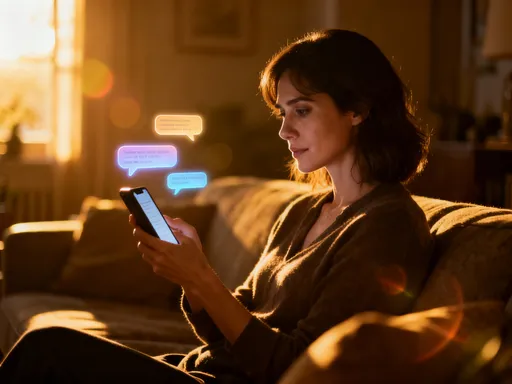
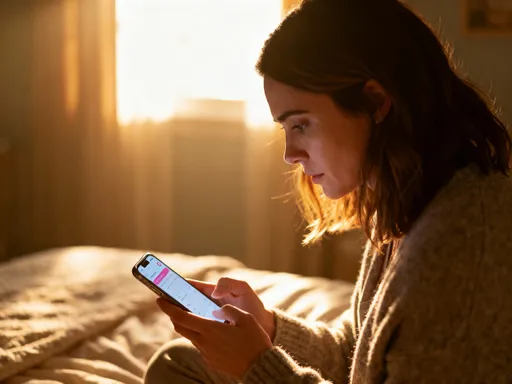
Have you ever sat down late at night, phone in hand, scrolling through hundreds—maybe thousands—of unsorted photos? I have. Too many times. One night, I was trying to find a picture of my mom’s birthday dinner from two years ago, and instead, I got lost in a sea of blurry selfies, random screenshots, receipts I’d snapped for no reason, and food pics I didn’t even remember taking. There were birthday cakes, family trips, my dog in a ridiculous sweater, and then—buried somewhere in the middle—photos of people I hadn’t seen in years. Faces I used to know so well, now just strangers in a digital crowd.
It wasn’t just messy. It felt… sad. Like I had let my own story get lost in the noise. I realized I wasn’t just looking at a disorganized gallery—I was looking at how I’d been living. Rushing through days, saving moments without really seeing them, letting time pass without pausing to remember. The clutter wasn’t just on my phone. It was in my head, my heart. I had moments I wanted to hold onto, but they were slipping away because I hadn’t made space for them. And the truth is, I didn’t even know what I was missing—until I started cleaning up.
That night, I closed the photo app feeling overwhelmed. Not because I had too many photos, but because I felt disconnected from them. They weren’t memories anymore. They were data. And somewhere in that chaos, a part of me had forgotten how to feel. I kept thinking about one particular face—someone I used to talk to every day, someone who knew me in a way few people ever did. I couldn’t remember the last time we spoke. Was it five years ago? Ten? I didn’t even know. And that realization hit me harder than I expected. It wasn’t just about a lost friendship. It was about losing a piece of myself.
Why I Finally Decided to Organize
So why did I finally decide to do something about it? Not because I read an article about digital minimalism. Not because I wanted to free up storage space. It was much more personal than that. One afternoon, a random photo popped up on my lock screen—a feature my phone calls “Memories.” It was a picture of me and a group of friends at a summer barbecue, laughing, wearing sun hats, holding drinks. I didn’t even remember taking it. But there she was. Right in the corner. Smiling like she always did—eyes crinkled, head thrown back, completely carefree.
My breath caught. I stared at that image for a long time. Not because of the outfit or the food or the setting. Because of her. We had been inseparable once. Shared everything—dreams, fears, late-night drives, secrets whispered under starlight. And then life happened. Jobs, moves, new relationships, growing apart. We didn’t have a fight. We didn’t fall out. We just… drifted. And somehow, in the quiet way that time does, we stopped talking. I didn’t even realize how much I missed her until I saw that photo.
That’s when it hit me: I wasn’t just losing photos. I was losing pieces of my life. Moments that shaped me. People who helped me become who I am. And if I didn’t do something, I might forget them completely. So I made a decision—not for efficiency, not for aesthetics, but for heart. I would organize my photos. Not perfectly. Not overnight. But with intention. I wasn’t doing it to impress anyone or to have a cleaner phone. I was doing it to remember. To reclaim what mattered. And honestly, I had no idea how much that simple act would change everything.
The App That Didn’t Feel Like Technology
I’ll admit, I was skeptical at first. I’ve tried photo apps before—flashy ones with filters, collages, stickers, all the bells and whistles. But that wasn’t what I wanted. I didn’t need my dog in a superhero cape. I needed to *find* things. To see patterns. To rediscover faces and places I’d forgotten. So I looked for something simple, something that worked quietly in the background. And I found it—an app that didn’t feel like technology at all. It didn’t ask me to learn new tools or watch tutorials. It just… helped.
It sorted my photos automatically—by date, by location, by faces. And here’s the part that surprised me: it recognized people. Not just “person 1” or “unknown,” but actual names. I uploaded old albums, and slowly, the app began grouping familiar faces together. My sister. My niece. My best friend from college. And then—there she was. Labeled clearly, just like everyone else. As if the app was saying, “Hey, remember her? She was important once.” And she was. So important.
What struck me most was how gentle the whole process felt. No pressure. No notifications screaming at me to “relive this moment!” No algorithms pushing content I didn’t care about. It was calm. Thoughtful. Like a friend quietly handing me an old journal and saying, “You might want to read this.” I started spending ten or fifteen minutes a day going through the suggested albums—“Beach Trips,” “Family Holidays,” “Friends from the Past.” Some brought laughter. Some brought tears. But all of them brought something I hadn’t felt in a long time: connection.
I realized then that technology doesn’t have to be cold or distracting. At its best, it can be a bridge. Not between people and screens, but between people and memories. Between who we were and who we still are. This app didn’t create the bond I once had with my friend. But it gave me the chance to see it again. And sometimes, that’s all we need—a second look, a quiet reminder, a moment of recognition.
The Moment I Saw Her Face Again
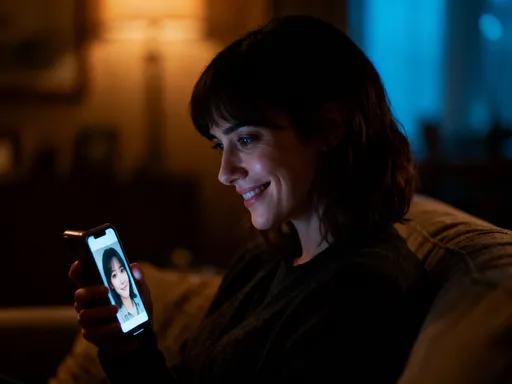
One evening, I was winding down, and the app suggested a “Memory” slideshow. I almost skipped it—another automated feature, I thought. But I clicked play. Soft music started, something nostalgic and slow. Photos began to appear—my dog as a puppy, my kitchen covered in flour from a failed cake attempt, my parents on their anniversary. Then, suddenly, there it was. A picture of us—her and me—on a beach during a college road trip. We were sunburnt, wrapped in the same towel, laughing at something only we understood. I froze.
It wasn’t just the image. It was the feeling it brought back. The sound of the waves. The smell of salt and sunscreen. The way we used to talk for hours about nothing and everything. I remembered how safe I felt with her—how I could say anything and not be judged. How we dreamed out loud, believing we could do anything. I hadn’t realized how much I’d missed that kind of friendship. The kind where you don’t have to explain yourself. The kind where silence is just as meaningful as conversation.
I sat there, tears in my eyes, watching the slideshow continue. Other photos of us appeared—dancing at a wedding, studying in the library, hugging goodbye at the airport. Each one was a door opening to a room I thought I’d locked forever. And the strangest part? I hadn’t searched for these. I hadn’t typed her name. The app had simply noticed a pattern—two faces appearing together, over and over, across years—and quietly said, “This matters.”
In that moment, I didn’t care about the technology. I didn’t wonder how the facial recognition worked or how the algorithm chose that song. All I knew was that I was remembering. Really remembering. Not just with my mind, but with my heart. And that memory wasn’t just a picture. It was an invitation.
Reaching Out Wasn’t Awkward—It Felt Right
I’ll admit, I hesitated. My finger hovered over the message button. What if she didn’t remember me the way I remembered her? What if she thought it was strange, out of the blue, after all this time? I typed, deleted, rewrote. Finally, I sent something simple: “Hey, I was just looking through old photos and saw this picture of us on the beach. Brought back such good feelings. Hope you’re doing well.”
Then I waited. And waited. An hour passed. I tried to distract myself, but my mind kept going back to that message. What if she didn’t reply? What if too much time had passed? And then—my phone buzzed. “I was just thinking about you last week,” she wrote. “That photo! I can still hear us laughing. I’ve missed you.”
We started talking. Not in short texts, but real conversation. Voice notes. Long messages. Stories we hadn’t shared in years. We talked about what we’d been through—losses, joys, changes. We didn’t pretend the time apart didn’t happen. But we also didn’t let it define us. What surprised me most was how easy it felt. Like no time had passed. Like we were picking up a conversation we’d only paused.
We didn’t force anything. No promises to “stay in touch forever” or “never lose each other again.” Just honesty. And care. And the quiet understanding that some friendships don’t fade—they just go quiet for a while. A few weeks later, we had our first video call. Then we made plans to meet in person. Not a big event. Just coffee. Just us. And when we finally sat across from each other, it wasn’t awkward. It felt like coming home.
How This Changed My Relationship with Technology
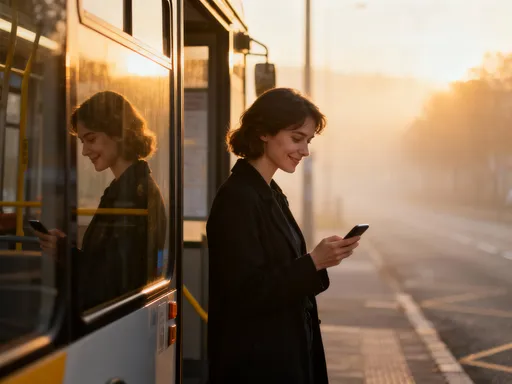
This experience changed how I see technology. I used to think of apps as distractions—things that pulled me away from real life. I’d scold myself for spending too much time scrolling, feeling guilty for being “on my phone” instead of “present.” But this was different. This app didn’t pull me away. It brought me back. Back to my past. Back to my feelings. Back to someone I cared about.
I realized that technology isn’t the problem. It’s how we use it. When we let it replace real connection, that’s when it fails us. But when we use it to support and deepen our human experiences? That’s when it shines. This wasn’t about having the latest gadget or the most advanced software. It was about using a simple tool with purpose. With heart.
Now, I don’t fear my photo gallery. I don’t avoid it like a digital graveyard. I visit it. Regularly. Sometimes I cry. Sometimes I laugh out loud. I’ve rediscovered moments I’d forgotten—a birthday party, a quiet walk in the rain, a hug from my dad that meant more than I knew at the time. I’ve started organizing photos by themes: “People Who Shaped Me,” “Places That Felt Like Home,” “Moments I Was Brave.” It’s become a kind of visual journaling. A way to stay connected to my own story.
And the best part? I’m more present now. Not just with my memories, but with my life. Because when I take time to remember who I’ve been, I understand who I am today a little better. And that helps me show up more fully—for my family, my friends, myself.
A Small Habit That Gave Me Back Something Priceless
Organizing my photos became a monthly ritual. Nothing fancy. Just an hour or so, with tea, going through what’s new, what’s old, what’s worth keeping. I don’t do it perfectly. Some folders are still messy. Some names are still missing. But it’s not about perfection. It’s about attention. About saying, “This moment mattered. This person mattered. I don’t want to forget.”
That one old friend? We talk regularly now. We’ve made inside jokes again. We’ve shared new photos—of our pets, our homes, our lives. We’re not the same people we were in college. We’re older, wiser, more complicated. But the core of our friendship? That’s still there. And it’s stronger because we found our way back, not despite the time apart, but because we allowed ourselves to remember.
I never expected a photo app to give me this. It didn’t promise to heal old friendships or restore lost connections. It just offered a little clarity in a noisy digital world. But sometimes, that’s enough. A little clarity. A little intention. A little space to remember.
So if you’re sitting there with a messy gallery, feeling overwhelmed, wondering if it’s worth the effort—let me tell you: it is. Not because you need a perfectly organized phone. But because somewhere in those photos, there might be a face, a moment, a feeling you’ve forgotten. And that memory might be waiting to reconnect you with someone you miss. Or with a part of yourself you’ve lost touch with.
Technology, at its best, doesn’t replace human connection. It reminds us of it. It helps us find our way back to what matters. And sometimes, the most powerful tech isn’t the one that does the most—it’s the one that helps you remember the least, but feel the most.