From Distant Calls to Daily Connection: How Simple Tech Bridges Generations
You know that feeling when you try to share your day with your parents or grandparents, only to realize how far apart you've grown—not just in miles, but in the way you communicate? I felt it too, until small, thoughtful tools quietly transformed our distant check-ins into meaningful, everyday moments. This isn’t about complex gadgets or digital overload—it’s about staying truly close, one simple tap at a time. It’s about hearing your mom’s laugh over a voice message, seeing your nephew’s drawing pop up on a shared screen, or knowing your dad took his medicine because a quiet alert told you so. These aren’t flashy tech miracles. They’re real, gentle ways we can stay connected—without stress, confusion, or pressure.
The Quiet Gap Between Generations
Let’s be honest—sometimes, even when we’re just a phone call away, it feels like we’re worlds apart. I remember calling my mom after my daughter’s first dance recital, excited to share how she twirled across the stage in her little blue tutu. I said, ‘Mom, you should’ve seen it! I’ll email you the video.’ And she said, softly, ‘Oh, I’m not sure I can open those big emails.’ My heart sank. Not because she missed it—she was there in spirit—but because the way I wanted to share didn’t match the way she could receive. That moment stayed with me. It wasn’t about love. We’ve always loved each other deeply. It was about connection—how we show up for each other in the small, daily ways that matter.
This kind of gap isn’t rare. In fact, it’s quietly growing in homes across the country. Parents and grandparents want to be part of our lives, but they often feel left behind by the speed of modern communication. Texting feels too fast. Apps seem too complicated. Video calls? They worry about pressing the wrong button and looking silly. On our end, we assume they’re ‘on the same page’ because they have a smartphone. But having a device doesn’t mean knowing how to use it comfortably. We send a group text about Sunday dinner and get no reply—only to learn later they never saw it because their notifications were off. We post baby photos online, not realizing they don’t scroll through social media. The tools are there, but the bridge isn’t.
And here’s the truth: this gap isn’t caused by technology. It’s caused by mismatched rhythms. We move quickly. They move with care. We value speed. They value clarity. When we don’t take the time to meet in the middle, moments slip away. A birthday gets missed. A grandchild’s first word goes unheard. A quiet worry goes unshared. But what if we could close that gap—not by changing who we are, but by choosing tools that honor both sides? What if staying close didn’t require mastering every app, but simply using one or two in a way that feels natural to everyone?
Not More Apps, But Better Connections
Here’s what I’ve learned: connection doesn’t come from downloading the latest app. It comes from consistency. From using the same simple tool, the same way, week after week. When I stopped trying to get my parents on every platform and instead focused on one easy method, everything changed. We started with voice messages. Instead of long phone calls that felt like interviews—‘So, how are you? What did you do today?’—I began sending short audio clips. ‘Hey Mom, just walking into the grocery store. Picking up your favorite tea. Thought you’d like to know.’ She started replying the same way. ‘Sweetheart, I saw a cardinal in the backyard today—just like the one we used to watch together.’ No pressure. No perfect timing. Just real moments, shared softly.
Another family I know uses a shared photo album. The daughter sets it up through a free cloud service, turns on automatic backup for her phone, and adds her parents. Every time she takes a picture of her kids, it appears in the album. Her mom checks it every morning with her coffee. ‘It feels like I’m right there,’ she told me. ‘I see the messy hair, the peanut butter on the wall, the way my grandson laughs when he spins in circles. It’s not staged. It’s life.’ And the best part? She doesn’t have to do anything. No logging in. No passwords. Just open the app, and there it is.
The key isn’t variety—it’s simplicity. Too many choices create confusion. One clear path creates comfort. Think about it: would you rather learn five different ways to share a photo, or just one that works every time? For older adults, especially, predictability is comforting. When they know exactly what to do—press this button, see these pictures, hear this voice—they’re more likely to engage. And when they engage, we feel closer. It’s not about the tech. It’s about the smile on their face when they hear their grandchild say ‘Hi, Grandma’ in a voice message. That’s the real win.
Turning Milestones Into Shared Moments
Big moments shouldn’t be reported after the fact. They should be shared as they happen. I’ll never forget the day my niece was born. My brother sent a single photo to our family group—a tiny hand gripping his finger. No caption. No filter. Just that quiet, powerful image. My parents saw it within seconds. My mom called me, crying. ‘I felt like I was right there in the room.’ That’s the magic of real-time sharing. It turns distant relatives into witnesses. It makes joy contagious.
One family I spoke with uses a private group app to celebrate milestones together. Not a public social media page—just a small, secure space for immediate family. When their daughter graduated, they didn’t just send a text. They created a shared album where everyone could upload photos, voice notes, and memories. Grandma posted a scanned picture of the girl at age five, holding a toy diploma. Uncle sent a voice message singing her favorite childhood song. The graduate opened it all on her phone the morning after the ceremony and burst into tears. ‘It felt like everyone was cheering for me,’ she said. ‘Even though we’re scattered across three states.’
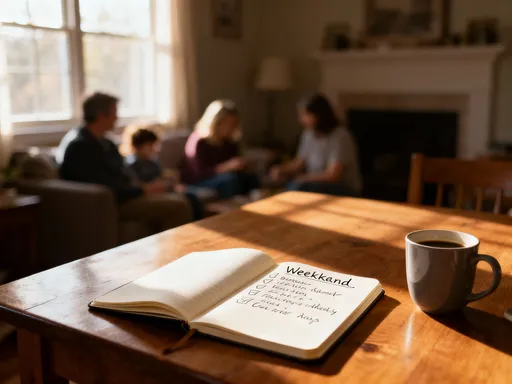
Another powerful tool? Shared digital calendars. Think about how many times a birthday has slipped through the cracks because it wasn’t written down. Now, imagine a calendar that lives on everyone’s phone—automatically reminding them when Mom’s birthday is, when the family reunion is scheduled, when the grandkids have their school play. No more forgotten dates. No more ‘I thought you said it was next week.’ One mom told me she added her aging father to the family calendar, color-coding events so he could see them clearly. ‘Now he texts me the day before to say he’s looking forward to video calling during dinner. It’s like he’s part of our routine again.’
These aren’t grand gestures. They’re small digital habits that create inclusion. Tagging a parent in a video of their grandchild’s first bike ride. Sending a photo of the holiday table before anyone sits down. Even sharing a short clip of the dog chasing leaves in the yard—‘Look, Dad, your favorite pup is still full of energy!’ These moments don’t replace being together. But they make the distance feel softer. They say, ‘You’re still part of this. We’re still living life together, even when we’re apart.’
Building Routines That Keep You Close
Connection isn’t just for birthdays and holidays. It lives in the everyday. That’s why the most powerful tech tools are the ones woven into daily life—so ordinary, they feel like second nature. I’ve started a simple habit: every morning, after I pour my coffee, I take a picture of the view from my kitchen window and send it to my mom. Some days it’s gray and rainy. Others, the sun is rising over the trees. She doesn’t always reply, but she sees it. ‘It makes me feel like I’m having coffee with you,’ she told me. And just like that, a small moment becomes a ritual.
Another family uses a shared playlist. The siblings add songs from their childhood—old records their parents used to play on Sunday mornings. When their mom listens, it’s not just music. It’s memory. ‘I hear that song, and I’m back in the kitchen, making pancakes while the kids danced in their pajamas,’ she said. Now, when someone adds a new song, everyone gets a notification. It’s become a quiet way to say, ‘I’m thinking of you.’
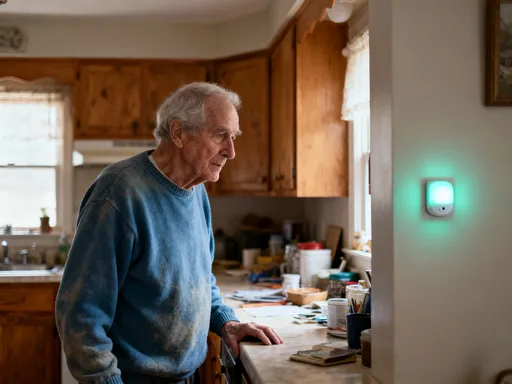
Then there’s the family who uses a simple reminder app to care for their grandmother. She lives alone, and while she’s independent, her daughter worries about her medication. Instead of calling every day—which could feel like surveillance—they set up a shared checklist. Grandma taps ‘Done’ when she takes her pills. The family gets a silent confirmation. No nagging. No guilt. Just peace of mind. ‘It’s not about control,’ her daughter explained. ‘It’s about care. I sleep better knowing she’s okay. And she likes that I’m not calling ten times a day to check.’
These micro-rituals don’t require fancy skills. They don’t demand attention. But over time, they build something priceless: presence. They create a steady rhythm of ‘I’m here. I’m thinking of you. You’re part of my day.’ And that consistency? That’s what turns technology from a tool into a thread—one that quietly, steadily, keeps us tied together.
Overcoming the ‘I’m Not Tech-Savvy’ Barrier
If there’s one thing I’ve heard over and over, it’s this: ‘I’m not tech-savvy.’ But here’s what I’ve learned—most people aren’t refusing technology. They’re just afraid of failing. Of pressing the wrong button. Of feeling stupid. I saw it with my dad. He’d avoid video calls, not because he didn’t want to see us, but because he was scared he’d freeze the screen or accidentally hang up. So one weekend, I sat with him and set up one-tap calling. I created a contact labeled ‘Family Call’ and linked it to our group video chat. Now, he just taps the icon. No menus. No confusion. And when his face appears on my screen, smiling and relaxed, I know we’ve done something important.
There are simple things we can all do to help. Turn on voice commands. Teach a parent to say, ‘Hey phone, call my daughter’ instead of searching through contacts. Increase the text size so it’s easy to read. Use photo labels in contacts—so ‘Sarah’ also shows a picture of her granddaughter. Create home screen shortcuts for the most used apps: one for calls, one for photos, one for messages. Keep it visual. Keep it simple.
One woman told me how she helped her mom learn to send photos. They practiced together. ‘First, I showed her how to tap the camera icon. Then, how to take the picture. Then, how to tap the share button and choose me.’ They did it five times in a row. Now, her mom sends pictures of her garden every week. ‘She feels proud,’ the daughter said. ‘And I feel seen.’
The goal isn’t mastery. It’s comfort. It’s giving our loved ones the confidence to try. When we approach this with patience—when we say, ‘Let’s do it together,’ instead of ‘Why don’t you get it?’—we’re not just teaching technology. We’re showing love. We’re saying, ‘You matter enough for me to slow down. You belong in this digital world, right beside me.’
When Tech Fades into the Background, Love Comes Forward
The best technology doesn’t shout. It whispers. It’s there when you need it, and invisible when you don’t. I think about the family who started a digital scrapbook for their grandmother’s 80th birthday. They uploaded old photos, scanned letters, voice messages from the grandkids. At first, they worried she wouldn’t use it. But now, she opens it every Sunday afternoon. Sometimes she just looks. Other times, she adds a memory of her own. It’s not about the app. It’s about the fact that her life is being held, remembered, celebrated.
Or the couple who shares a digital calendar with their adult children. Appointments, anniversaries, even grocery lists—they’re all there. Their daughter checks it before calling. ‘I saw you had a doctor’s appointment today. How did it go?’ That small question—born from a shared calendar—says, ‘I’m paying attention. I care.’
When tech works like this, it doesn’t feel like technology at all. It feels like closeness. It feels like being known. The tools aren’t the focus. The love is. We’re not ‘using an app’—we’re sharing a laugh, checking in, showing up. The digital layer simply makes it easier to do what we’ve always wanted to do: stay close to the people we love, no matter where life takes us.
Staying Close, No Matter Where Life Takes You
At the end of the day, none of us want perfect digital communication. We want to feel close. We want to know our parents are okay. We want our children to remember us. We want our grandparents to feel included, not isolated. The tools we’ve talked about—voice messages, shared albums, simple calendars, one-tap calls—aren’t magic. But they are meaningful. They’re bridges. They help us cross the gaps created by time, distance, and change.
I’ve learned that staying connected isn’t about doing more. It’s about doing what matters, in a way that works for everyone. It’s about choosing simplicity over complexity, consistency over novelty, heart over hype. When we use technology with intention—when we choose tools that serve love, not distraction—we give ourselves the gift of presence. Even when we’re miles apart.
So start small. Send that voice message. Set up that shared album. Show your mom how to tap one button to see her grandkids. Let your dad hear your voice saying, ‘Good morning, I’m thinking of you.’ These moments add up. They create a rhythm of care. They say, ‘You’re not forgotten. You’re not alone. You’re loved, every single day.’
And in a world that often feels too fast, too loud, too busy, that might be the most powerful technology of all.