Tested 3 Elder Monitoring Systems for 6 Months: The One That Gave My Parents Back Their Confidence
You know that knot in your stomach when you can’t reach your parents for hours? I felt it daily—until I found a simple tech solution that changed everything. It wasn’t about constant surveillance, but quiet reassurance. After months of testing, one system stood out, not because it was flashy, but because it helped my parents feel safer *and* more independent. Here’s how it quietly transformed our lives. That constant hum of worry—did they take their medicine? Did they fall? Are they lonely?—was stealing joy from my days. I love my parents deeply, and wanting them to be safe shouldn’t come at the cost of their dignity or my peace. What I discovered wasn’t just a gadget. It was a bridge—between care and freedom, between love and trust. And honestly, it gave us all a little more of our lives back.
The Worry We Don’t Talk About
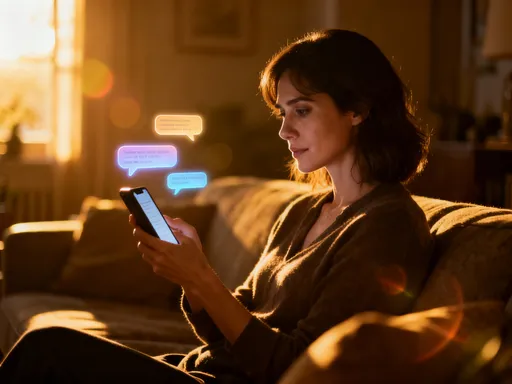
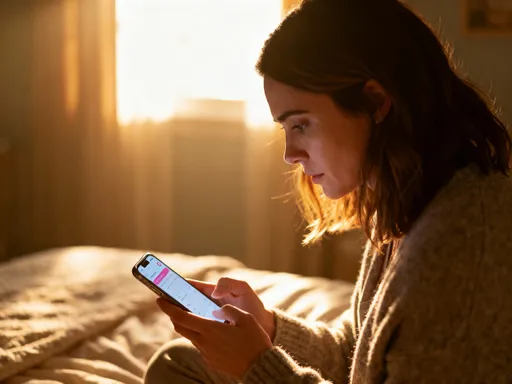
Let’s be real—no one wants to admit how much they worry. But if you’re a daughter or son caring for aging parents from a distance, you know exactly what I mean. It starts small: a missed call. A text that goes unanswered for three hours. Your mind races. Is the phone out of reach? Did something happen? You tell yourself, ‘They’re probably just napping.’ But that tiny seed of fear takes root. By the third hour, you’re drafting messages to neighbors, debating whether to call the local hospital, wondering if you should drive the two hours just to check.
I was living like this for months. My mom lives alone in the house I grew up in, and my dad stays with her part-time. They’re both in their late 70s, active but not invincible. One winter, Mom had a minor fall in the bathroom. She got up fine, but didn’t tell me for two days. When she finally did, my heart sank. Not because she was hurt—but because she thought she had to hide it. That’s when I realized: our family wasn’t communicating; we were performing. ‘I’m fine’ became a shield, and I was too afraid to ask what was really going on.
This kind of worry isn’t weakness. It’s love. But love shouldn’t come with a side of constant anxiety. I wanted to care without smothering. I wanted them to feel supported, not watched. I wanted to know they were okay without having to call ten times a day. That’s when I started looking into elder monitoring systems—not because I thought they needed full-time supervision, but because I needed a little peace. And more importantly, I wanted *them* to feel secure enough to live fully again.
Why Most Monitoring Tools Feel Wrong
My first attempt was a camera. I told myself it was for safety. But the moment I suggested it, Mom’s face changed. ‘You want to watch me like a baby?’ she asked. I backtracked fast, but the damage was done. She felt exposed, like her privacy was being invaded. I realized then: most monitoring tools are designed with the caregiver in mind, not the person being cared for. They feel clinical, like something out of a hospital. Alarms that blare when motion isn’t detected. Bright red panic buttons. Notifications that say, ‘No activity for 4 hours.’ It all sounds helpful—until you’re on the receiving end.
I tried another system with wearable pendants. Dad wore it for a week. ‘It itches,’ he said. ‘And I forget to charge it.’ He also hated that it made him feel ‘old.’ That word hit me hard. These tools were supposed to help, but they were sending the opposite message: ‘You’re fragile. You’re failing. You need to be watched.’ No wonder so many families give up on them. It’s not that we don’t care. It’s that the tools don’t respect the person. They treat aging like a problem to be managed, not a stage of life to be honored.
I remember one evening, after Dad accidentally triggered the alarm by napping too long, the system sent me an alert. I called, panicked. He answered, groggy and annoyed. ‘I’m fine,’ he snapped. ‘Just resting.’ We both felt worse after that call. The tech didn’t bring us closer—it created tension. That’s when I realized I needed something different. Not something that screamed, ‘Danger!’ but something that whispered, ‘You’re not alone.’ I wanted a system that didn’t highlight weakness, but quietly strengthened confidence. Something that felt less like a security system and more like a thoughtful friend who just happens to be looking out for you.
Finding the Right Balance: Safety Without Surveillance
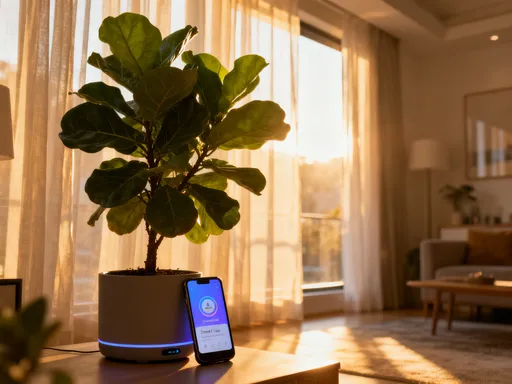
The system that finally worked wasn’t the most expensive or the most high-tech. In fact, it was almost invisible. No cameras. No wristbands. No blinking lights. Just small, discreet sensors placed in key areas—near the front door, in the hallway, the kitchen, and the bathroom. They don’t record video or audio. Instead, they learn routines. When Mom gets up in the morning, moves to the kitchen, starts the coffee—that’s normal. When Dad goes to bed at ten and the bedroom sensor detects movement at two a.m., that’s flagged. But not with a siren. With a gentle notification to my phone: ‘Unusual activity detected. Would you like to check in?’
The magic isn’t in the tech itself—it’s in how it respects independence. It doesn’t assume something’s wrong. It just asks, ‘Hey, everything okay?’ And because it’s not intrusive, my parents don’t fight it. In fact, they barely notice it’s there. That was the breakthrough. The best safety tools aren’t the ones you see—they’re the ones you forget about. Like a good pair of shoes, they just work. They support without calling attention to themselves.
Fall detection was another game-changer. It’s not based on wearable devices, but on subtle changes in movement patterns. If someone falls and doesn’t move for a certain time, the system sends a quiet alert. No yelling, no panic. Just a soft chime on my phone. I can then call or text: ‘Hey, just checking in. Everything alright?’ Most of the time, it’s nothing. But knowing that the safety net is there—unseen but reliable—makes all the difference. One evening, the system noticed Dad hadn’t moved from the living room couch in over two hours. I called. He’d fallen asleep watching the news. No fall, no injury—but I was glad I knew. He didn’t have to wake up alone and disoriented. I could say, ‘You okay, Dad? Want me to stay on the line while you get up?’ It wasn’t about control. It was about connection.
How Daily Use Builds Confidence (Not Dependence)
Here’s what surprised me most: the system didn’t make my parents more dependent. It made them more confident. Before, Mom was hesitant to walk around the house at night. She’d stay on the couch, afraid of falling and not being heard. Now, she gets up, goes to the kitchen for water, even walks to the garden in the evening. ‘I know someone will notice if I don’t come back,’ she told me. That small sense of security gave her back her freedom.
Dad started going on longer walks again. He used to cut them short, worried about getting tired or dizzy far from home. Now, he knows that if he slips or feels unwell, help will come. Not because he has to press a button, but because the system will notice. That subtle shift—from ‘I have to be careful’ to ‘I’m safe to live’—changed everything. His walks got longer. His mood improved. He even joined a local birdwatching group. ‘I don’t feel like I’m carrying the whole world on my shoulders anymore,’ he said. And honestly? Neither did I.
The real measure of success wasn’t in alerts or data. It was in behavior. Mom started cooking again—real meals, not just toast. Dad began hosting his old friends for weekly card games. Their home, once quiet and cautious, became lively again. And our phone calls? They changed too. Instead of starting with ‘Are you okay?’ I could say, ‘How was your day?’ and mean it. We talked about the weather, the garden, the grandkids’ school play. The fear that used to hang over every conversation had lifted. The tech didn’t just keep them safe—it gave us back our relationship.
Making It Work in Real Life: Simple Setup, Smoother Routines
One of my biggest fears was that it would be complicated. I’m not a tech expert. My parents definitely aren’t. But setting it up was easier than I expected. My teenage nephew came over one weekend and helped place the sensors. We kept it simple: one by the front door, one in the hallway, one near the bathroom, and one in the kitchen. No bedrooms. That was important. Privacy first. We explained each step to Mom and Dad, let them choose the spots, even let them test the system by walking past the sensors. It became a family project, not an imposition.
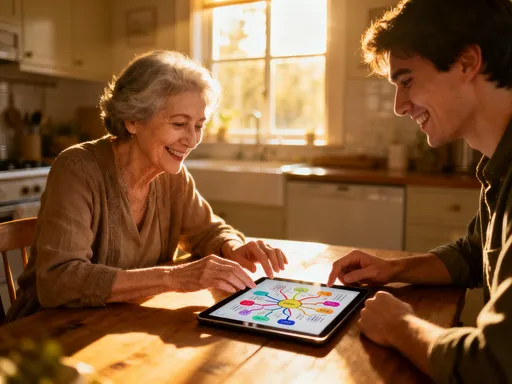
We also set up a daily check-in routine. Not because the system requires it, but because it felt right. Every morning, Mom gets a gentle reminder on a small tablet we left in the kitchen: ‘Good morning! Tap here to let your family know you’re up.’ It’s optional. She can ignore it. But she doesn’t. She taps it, and I get a little ‘Mom is up’ notification. It’s not surveillance. It’s a digital hug. Some days she adds a voice note: ‘Made pancakes today!’ or ‘Sun’s shining—going to sit outside.’ Those little moments mean more than any alert ever could.
The key was making it theirs. We didn’t install it *for* them. We installed it *with* them. They helped pick the alert tones, decide who gets notified, and even set up the family group chat linked to the system. When they felt in control, they embraced it. And because it’s low-maintenance—no charging, no apps to open, no passwords to remember—it just fits into their lives. It’s not another chore. It’s another layer of care, woven quietly into the day.
When It Actually Helped: A Quiet Win
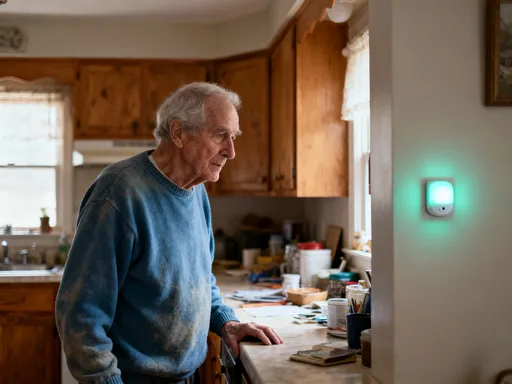
It wasn’t a dramatic rescue. No ambulance. No broken bones. But it mattered. One Tuesday morning, I got a soft alert: ‘Unusual stillness in the kitchen.’ I called right away. Dad answered, a little shaky. He’d slipped on a wet spot near the sink, not hard, but enough to knock the wind out of him. He was sitting on the floor, catching his breath, not injured but too stunned to get up. ‘I didn’t want to worry you,’ he said. But because the system noticed, I could say, ‘It’s okay. I’m right here. Take your time. I’ll stay on the phone.’
He didn’t need an emergency response. He just needed to know someone was with him. I talked him through getting up slowly, reminded him to hold the counter, asked if he wanted me to call a neighbor. He declined, but just knowing help was a call away made the difference. Later, he told me, ‘I didn’t feel like a burden. I felt taken care of.’ That moment wasn’t about the technology. It was about dignity. He didn’t have to struggle in silence. He didn’t have to pretend. The system didn’t replace my role as a daughter. It made me better at it. I wasn’t guessing. I wasn’t panicking. I was present, calm, and useful.
And that’s the quiet power of good tech. It doesn’t fix everything. It doesn’t erase aging or prevent every fall. But it changes the aftermath. It turns isolation into connection. Fear into reassurance. And that single moment—Dad on the floor, me on the phone, both of us breathing a little easier—proved that the best tools aren’t the ones that do the most. They’re the ones that help us be more human.
What Changed Beyond Safety
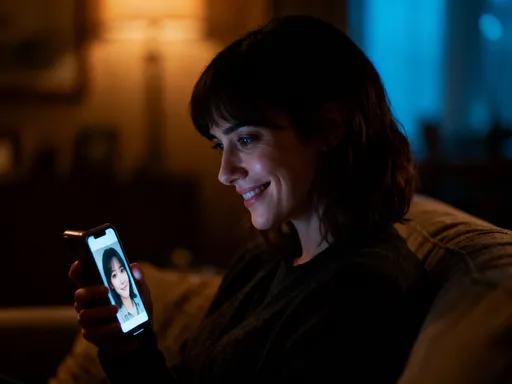
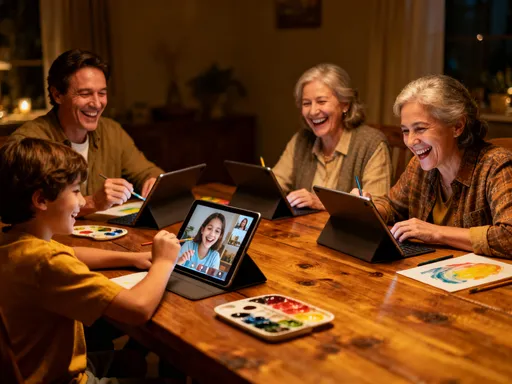
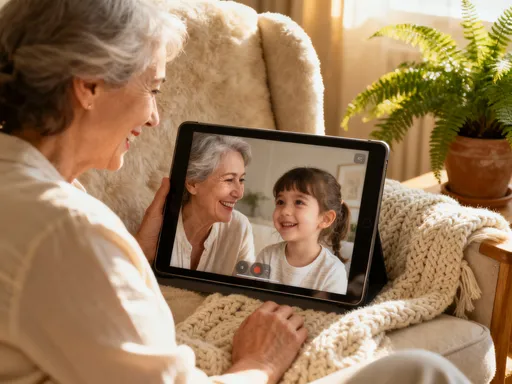
The real transformation wasn’t in the alerts or the sensors. It was in the way we all showed up for each other. With the constant worry eased, our family conversations became lighter, warmer, more joyful. I stopped interrogating my parents with ‘Are you sure you’re okay?’ and started sharing stories again. Mom began video calling the grandkids every Sunday. She shows them her flowers, her knitting, even her new sourdough starter. Dad started emailing old coworkers, rekindling friendships he’d let fade. Their world got bigger, not smaller.
And for me? I sleep better. I can focus at work. I don’t jump every time my phone buzzes. I still care deeply. I still check in. But now it’s out of love, not fear. The system didn’t make me less involved. It made my involvement more meaningful. I’m not waiting for a crisis. I’m celebrating their lives.
What I’ve learned is this: the best technology for aging parents isn’t about control. It’s about confidence. It’s not about watching. It’s about empowering. It’s not about replacing family—it’s about making family stronger. The right tool doesn’t make you feel like a guard. It makes you feel like a partner in peace. And sometimes, the most powerful tech isn’t the one that does the most—it’s the one that lets everyone breathe a little easier, live a little fuller, and love a little deeper. If you’re carrying that knot of worry, know this: you’re not alone. And there’s a way to care without carrying the weight all by yourself. It’s not magic. It’s just good, quiet, thoughtful tech—working in the background, so life can shine in the foreground.