Tired of Life Derailing When Your Period Starts? Here’s How to Stay in Control
Ever felt your whole rhythm unravel the moment your period begins? Plans fade, energy crashes, and even simple tasks feel overwhelming. You’re not alone. For so many of us, that monthly shift doesn’t just bring physical discomfort—it disrupts work, moods, and connections. But what if you could anticipate it, prepare for it, and protect the important things in your life? This isn’t about tracking days on a calendar. It’s about using smart, gentle technology to stay aligned with your body, not at war with it. Imagine knowing in advance when you’ll feel your best—and when you might need extra care—so you can plan with confidence, not stress.
The Unspoken Struggle: When Your Body Feels Like It’s Working Against You
Let’s talk about something we rarely say out loud: sometimes, our own bodies feel like they’re betraying us. One day, you're full of energy, getting things done, feeling like you’re finally ahead of the game. Then, without warning, your period arrives—or even just the days leading up to it—and suddenly, everything slows down. Your concentration slips. Your patience wears thin. That meeting you were ready for? Now it feels impossible. The kids need you, dinner needs to be made, and you’re just… stuck on the couch, wondering why you feel so drained when nothing physically happened.
This isn’t just a ‘bad day.’ For many women, this is a monthly pattern—something so consistent, yet so poorly supported. We’ve been taught to push through, to smile and carry on, but the truth is, our hormonal cycles naturally affect our energy, mood, focus, and even digestion. And when we don’t plan around those shifts, life starts to feel chaotic. You cancel coffee with a friend because you’re bloated and irritable. You miss a workout you were excited about. You snap at your partner over something small, then feel guilty afterward. These aren’t failures. They’re signs that your body is trying to communicate with you—and we’ve simply never been given the tools to listen.
Think about it: we track everything—our steps, our sleep, our screen time—yet so many of us still treat our menstrual cycle like a surprise every month. But what if it didn’t have to be that way? What if instead of reacting to how we feel, we could actually prepare? That shift—from reaction to preparation—is where real change begins. And the good news? Technology has quietly stepped in to help, not by fixing us, but by helping us understand ourselves better.
From Guesswork to Guidance: How Period Apps Changed the Game
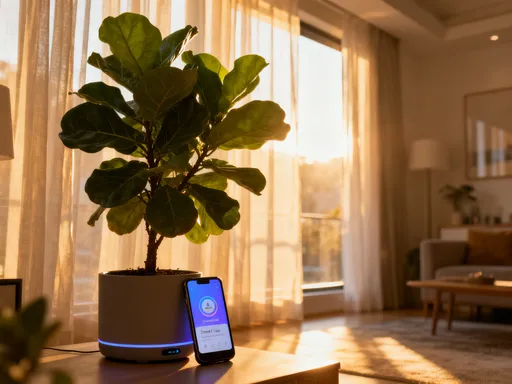
Remember the old days of marking red X’s on a paper calendar? That was tracking, sure—but it didn’t tell you much. It was like knowing the weather changes in winter without checking the forecast. You knew your period was coming, but not how it would affect you, or when exactly. Today’s period tracking apps are different. They’re not just calendars. They’re like a personal wellness assistant that learns your rhythm over time.
At first, it might feel like just logging a date. But as you keep going—adding notes about your mood, energy, sleep, or symptoms—the app starts to recognize patterns. Maybe it notices you always feel bloated two days before your period. Or that your best creative ideas come in the week after your cycle ends. Some apps even predict your fertile window or estimate when PMS might hit, based on your unique data. And the more honest you are with it, the smarter it gets.
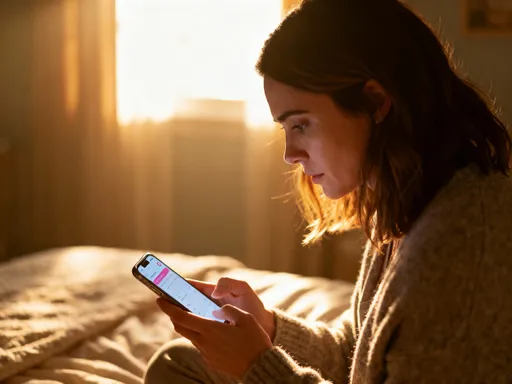
I remember the first time my app told me, “Low energy likely in 3 days.” I laughed—until I realized it was right. That week, I had scheduled a big presentation, and I almost pushed through like normal. But because I saw the alert, I adjusted. I prepared my slides earlier. I rescheduled a late meeting. I made sure to get extra rest. And when the day came, I wasn’t exhausted. I was ready. That’s when it hit me: this wasn’t about controlling my body. It was about respecting it. These apps don’t judge. They don’t rush you. They simply offer insight—like a quiet friend whispering, “Hey, take care of yourself this week.”
And the best part? You don’t need to be tech-savvy to use them. Most are simple, intuitive, and designed for real life. Whether you’re juggling kids, a career, or both, having that heads-up changes everything. It turns guesswork into guidance, and stress into strategy.
Protecting What Matters: Scheduling, Self-Care, and Peace of Mind
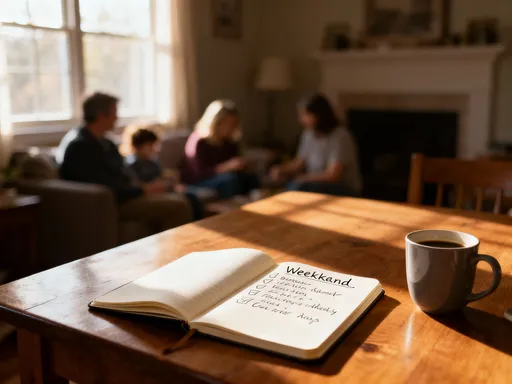
Life doesn’t stop for your period. But what if you could protect the things that matter most? That’s the real power of cycle tracking—not just knowing when your period starts, but using that knowledge to guard your time, energy, and relationships. Think about the last time you had to cancel plans last minute. Maybe it was a work deadline, a school event, or a date night. The guilt, the frustration—it’s real. But what if you could plan around those days instead?
When you understand your cycle, you can be proactive. You might notice that your energy dips mid-luteal phase—so you save big decisions or tough conversations for the week after your period, when your mood is more stable. Or you might see that your creativity peaks right after ovulation—so you schedule brainstorming sessions then. One mom I know uses her app to plan family outings around her high-energy days. “I used to feel guilty when I was too tired to play,” she said. “Now I pick days when I know I’ll have the energy. And the kids get the best version of me.”
It’s not about avoiding hard days. It’s about honoring them. Some days, you’ll feel strong. Others, you’ll need rest. And both are okay. But when you plan ahead, you stop feeling like life is happening to you. You start feeling like you’re in charge. That shift brings peace of mind. You’re no longer dreading the week before your period. You’re preparing for it—with extra tea, cozy nights, and lower expectations. And that’s not weakness. That’s wisdom.
Even emotionally, this kind of planning helps. When you know irritability or sadness might come, you can be kinder to yourself. You can tell your partner, “I might be a little short-tempered this week—nothing’s wrong, I just need a little more patience.” And when you’re not caught off guard, you’re less likely to take it out on the people you love. In that way, cycle tracking isn’t just self-care. It’s relationship care, too.
Beyond Tracking: How Smart Reminders Keep You One Step Ahead
Tracking your cycle is powerful, but the real magic happens in the little things—the daily nudges that help you stay on track. Modern period apps do more than predict dates. They send gentle reminders that feel like they come from a caring friend. “Time to drink water.” “Don’t forget your magnesium tonight.” “You might feel tired—consider an early bedtime.” These aren’t demands. They’re invitations to care for yourself.
Take symptom logging, for example. At first, it might seem like extra work. But over time, it reveals patterns you’d never notice otherwise. Maybe you always get headaches on day 19 of your cycle. Or your sleep worsens five days before your period. Once you see that, you can act. You start taking a warm bath earlier. You adjust your caffeine. You keep pain relief on hand. It’s not about fixing every symptom. It’s about being prepared so you don’t feel blindsided.
And then there are habit suggestions. Some apps recommend light yoga when cramps are likely, or suggest journaling when mood swings are predicted. One woman told me she started doing five minutes of stretching on days her app flagged as high discomfort—and it made a real difference. “I didn’t realize how much tension I was holding,” she said. “Now I move before the pain even starts.”
These small actions add up. They create a rhythm of care that fits into real life. You don’t need to overhaul your routine. You just need a few gentle prompts to remember yourself in the chaos of daily life. And the more you listen, the more your body trusts you. It’s a two-way relationship—your app helps you, and in return, you show up for your body with kindness and attention.
Shared Rhythms: Helping Partners and Families Understand (Without Overexplaining)
One of the quietest benefits of cycle tracking? It helps the people around you understand you better—without you having to explain everything. We’ve all been there: you’re tired, emotional, or in pain, and someone says, “What’s wrong?” And suddenly, you’re expected to justify how you feel. It’s exhausting. But what if your partner could just… know?
Some apps allow you to share certain insights with trusted people—like your partner or a close family member. You don’t have to share everything. Just enough. Maybe your partner sees a note that says, “Low energy expected tomorrow,” so they offer to make dinner. Or your teenager learns that Mom might be extra tired this week, so they take out the trash without being asked. These small shifts build empathy—not through long conversations, but through quiet awareness.
One woman shared that she started sharing her cycle summary with her husband every month. “At first, he thought it was weird,” she said. “But now, he checks the app himself. If he sees cramps are predicted, he brings me tea. If he knows I’ll be tired, he handles bedtime with the kids.” It’s not about outsourcing care. It’s about creating a team. And for many women, that’s a game-changer.
Even with friends, it helps. You can plan get-togethers around when you’ll feel your best. No more showing up exhausted and forcing a smile. And when you do cancel, it’s not a mystery—it’s a choice. “My app told me today would be rough,” you can say. “Let’s reschedule for when I can really be present.” That kind of honesty strengthens relationships, not weakens them.
Data with Care: Privacy, Trust, and Using Tech That Respects You
Of course, sharing your cycle data—especially with others—raises real questions about privacy. And you’re right to be cautious. Your body, your moods, your health—that’s deeply personal. The last thing you want is for that information to be used for ads, sold to third parties, or stored insecurely. So how do you choose an app you can trust?
Start by looking at the app’s privacy policy. Does it say your data is encrypted? Is it stored locally on your device, or in secure servers? Does the company promise not to sell your information? Reputable apps are transparent about this. They treat your data like a medical record—not a marketing tool. And if an app feels too pushy with ads or asks for unnecessary permissions, that’s a red flag.
Also, consider what you’re comfortable sharing. You don’t have to log every symptom. You don’t have to share with anyone. Use the app in a way that feels safe for you. Some women only track their period start date. Others log everything. Both are valid. The goal isn’t perfection. It’s support.
And remember: you own your data. You can delete it anytime. You can switch apps. You’re in control. When you use technology that respects your boundaries, it becomes a true ally—not a source of stress. That sense of trust makes all the difference. When you feel safe, you’re more likely to be honest with the app. And when you’re honest, it works better for you.
A Calmer, Clearer Life: What Changes When You’re in Sync
After months of using a cycle tracking app, something shifts—not just in your routine, but in how you see yourself. You stop feeling at war with your body. You start feeling like you’re on the same team. You know when to push forward and when to rest. You protect your energy like it’s precious—because it is. And slowly, life starts to feel calmer, more intentional, more balanced.
It’s not that your period disappears or that symptoms vanish. It’s that you’re no longer caught off guard. You’re prepared. You’re supported. You’re informed. And that changes everything. You show up better—for your work, your family, yourself. You make decisions from a place of clarity, not crisis. You stop apologizing for needing rest. You start honoring it.
And over time, you gain something even deeper: self-knowledge. You learn your rhythms. You understand your needs. You develop a quiet confidence that comes from listening to your body and responding with care. That’s not just wellness. That’s wisdom.
So if you’ve ever felt like your life derails when your period starts, know this: it doesn’t have to. With the right tools, you can stay in control. Not by fighting your cycle, but by working with it. By using technology not to fix you, but to support you. To remind you that you’re not alone. That your body isn’t the enemy. And that a calmer, clearer, more protected life is possible—one cycle at a time.