It’s Not Just Number Crunching: How Tracking My Spending Quietly Transformed My Workday
Ever feel like your workday controls you instead of the other way around? I did—until I started paying attention to not just my time, but my spending habits. What began as a simple habit of logging expenses slowly revealed patterns that changed how I work, focus, and even recharge. It wasn’t about cutting costs; it was about gaining clarity. This is the story of how one small financial habit quietly reshaped my productivity, peace of mind, and daily rhythm—from morning coffee to end-of-day reflection. And if you’ve ever felt overwhelmed, scattered, or just stuck in the same daily loop, this might be the gentle shift you didn’t know you needed.
The Morning Rush: How a Simple App Changed My Entire Start to the Day
Remember those mornings—rushing into your home office or kitchen table, laptop open before you’ve even had a sip of water, already scanning urgent emails? That was me. My day used to start in reaction mode: responding, reacting, and rushing. I’d grab coffee on the way—or worse, order delivery just to save five minutes—only to realize halfway through my first meeting that I hadn’t actually arrived in the day yet. My body was there, but my mind was still catching up.
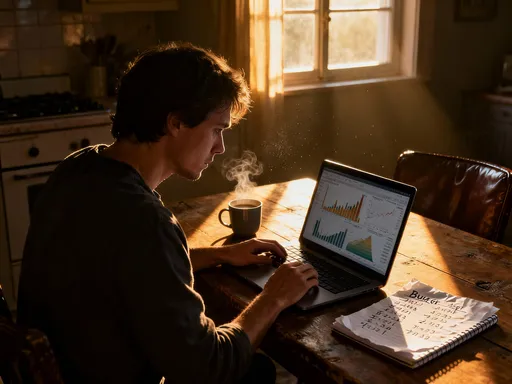
Then I started something small: reviewing my spending each morning before diving into work. Not for budgeting. Not for guilt. But as a moment of pause. I’d open the app—not the one for emails or tasks, but the one that showed yesterday’s $4.50 coffee, the $12 lunch I barely tasted, the random $7.99 online purchase I didn’t remember making. At first, it felt odd. Why was I checking receipts instead of to-do lists?
But slowly, it became a ritual. That quick glance wasn’t about the money. It was a mirror. It showed me where my energy had gone the day before. Was I stressed? Distracted? Trying to comfort myself without realizing it? Seeing that $4.50 coffee purchase at 9:15 a.m. made me ask: Was I really that tired, or was I just avoiding starting the hard task? That $12 lunch eaten at my desk while answering messages—was that nourishment, or just fueling burnout?
Within weeks, this tiny habit changed my mornings. Instead of launching into autopilot, I began asking, What do I really need today? Not what the world demands, but what I need. More focus? A calmer start? A real break later? The app didn’t give me answers, but it gave me awareness. And that awareness became the foundation of a calmer, clearer day. It wasn’t about controlling my spending—it was about grounding myself before the chaos began.
The Hidden Link Between Spending Triggers and Work Stress
For a long time, I thought tracking spending was just about budgets and saving money. I pictured spreadsheets, guilt, and cutting out lattes. But what I discovered surprised me. My spending wasn’t just about money—it was about emotion. And nowhere was that clearer than during the workday.
One afternoon, I noticed a pattern: on days with back-to-back meetings, I was more likely to make an impulse purchase around 3 p.m. Not always food. Sometimes it was a book I didn’t need, a beauty product I hadn’t researched, or even a random kitchen gadget. At first, I brushed it off. Everyone treats themselves sometimes, I told myself. But the app kept showing the same trend: stress, then spending.
That’s when it hit me—the latte wasn’t the problem. The lack of a real break was. I wasn’t buying coffee because I wanted caffeine. I was buying it because I was mentally exhausted and hadn’t given myself permission to stop. My body was screaming for a pause, but instead of listening, I was shopping. The app didn’t judge me. It simply showed the truth: my spending was a signal, not a sin.
Once I saw that connection, I could respond differently. Instead of reaching for my wallet, I started scheduling real breaks. A 10-minute walk. A moment to breathe at the window. A quick call to my sister just to laugh. I even started blocking “focus time” on my calendar—time when I wasn’t allowed to check messages or shop online. The impulse didn’t disappear overnight, but it weakened. Because now, I had tools. I wasn’t fighting my habits; I was understanding them. And that made all the difference.
From Distraction to Focus: Reclaiming Attention in the Workday
We all know the feeling—sitting at your desk, trying to concentrate, but your mind keeps jumping. Email pings. Phone buzzes. A thought pops up: Did I pay that bill? Or worse: I deserve a treat for finishing that report. That’s how I used to work—task, reward, task, reward. Finish a paragraph? Time to check online stores. Send an email? Quick scroll through social media. It felt harmless. But the app told a different story.
When I looked at my spending log, I saw how often I used small purchases to cope with mental fatigue. That $8 digital download after writing a blog post? That $15 self-help ebook at 6 p.m.? They weren’t investments—they were distractions dressed as rewards. And each one pulled me out of deep work, breaking my focus and making me start over.
So I decided to change the reward. Instead of spending money, I started giving myself real rest. Five minutes of stretching. A cup of tea without the phone. A short walk around the block. At first, it felt strange. Is this really enough? I’d wonder. But over time, something shifted. My brain began to associate completion with calm, not consumption. I wasn’t numbing out—I was recharging.
And here’s what surprised me: my focus improved not because I forced myself to concentrate, but because I stopped draining my energy with constant mini-rewards. I wasn’t fighting distractions—I was replacing them with real care. The app helped me see the pattern, but the real work was in the choices I made each day. One small pause at a time, I reclaimed my attention. And with it, my productivity—and my peace.
Lunch Breaks Reimagined: Spending Data That Taught Me to Pause
Lunch used to be the part of my day I barely noticed. I’d eat at my desk, typing one-handed while scrolling through online sales or shopping apps. Sometimes I’d order takeout without even deciding—I’d just click, because it was easier than thinking. And then, 20 minutes later, I’d look up and realize I hadn’t tasted my food. I wasn’t recharging. I was just refueling—poorly.
When I started tracking spending, lunch stood out. Not because the amounts were huge, but because the pattern was consistent. On high-stress days, I spent more. On days when I felt overwhelmed, I ordered in more often. The app didn’t shame me—it simply showed me the truth: I was using lunch not to rest, but to escape.
That awareness changed everything. I started packing simple meals the night before. Nothing fancy—just leftovers, a sandwich, or a salad. And I made a rule: no screens during lunch. No emails. No shopping. Just eating, breathing, and stepping away from my desk. Sometimes I’d walk outside. Other days, I’d call a friend or listen to a calming playlist.
The change wasn’t overnight. There were days I slipped back into old habits. But slowly, something beautiful happened. My afternoons got better. I felt more alert. My mood lifted. And yes—my spending went down. But that wasn’t the real win. The real win was feeling like I had a break, not just a bite. The data didn’t tell me to change—it guided me. It showed me that rest isn’t lazy. It’s necessary. And when you give yourself real pauses, your whole day shifts.
The Afternoon Slump: When Spending Patterns Revealed Energy Cycles
Every day, like clockwork, I used to hit a wall around 2:30 p.m. My energy would dip. My focus would blur. And my hand would drift toward the snack drawer—or worse, the shopping app. I’d tell myself I needed a boost. A cookie. A soda. A new journal I didn’t need. Anything to stay awake.
But the app started showing a pattern I couldn’t ignore. On days when I skipped breakfast or had back-to-back meetings, my spending spiked in the afternoon. More snacks. More drinks. More online browsing. It wasn’t random. It was a response to low energy. My body was tired, and instead of resting, I was spending.
That’s when I realized: I wasn’t lazy. I was out of sync. My schedule didn’t match my natural rhythm. So I made small changes. I started eating a real breakfast—something with protein and fiber, not just coffee. I added a 10-minute walk after lunch. I built in buffer time between meetings, so I wasn’t rushing from one to the next. And I stopped scheduling heavy tasks for that 2:30 p.m. window.
Slowly, the afternoon slump lost its power. My spending stabilized. But more importantly, my mood did too. I wasn’t fighting fatigue with sugar or shopping—I was working with my body. The app didn’t fix me. It reflected me. And in that reflection, I found a better way to move through the day. I learned that energy isn’t endless—and that’s okay. What matters is how we respond when it dips.
End-of-Day Reflection: How Spending Logs Became My Daily Debrief
For years, my bedtime routine was the same: scroll through work messages, check tomorrow’s calendar, and fall asleep with my mind still racing. I never really closed the day. It just faded into the next.
Then I started something new. Five minutes before bed, I’d open my spending app—not to judge, but to reflect. I’d look at the day’s purchases and ask myself: Did I spend from a place of joy, or from stress? Did I invest in things that support my life, or just distract from it? It wasn’t about perfection. It was about presence.
This habit became my daily debrief. Just like a manager reviews the day’s work, I was reviewing my choices. That $5 coffee with a friend? Worth every penny—connection, not consumption. That random $9 purchase at 8 p.m.? A red flag. I was tired, not thoughtful.
Over time, this small practice brought a quiet calm. I wasn’t carrying the day’s chaos into the night. I was releasing it with awareness. I wasn’t tracking every dollar to save money—I was tracking them to understand myself. And that made all the difference. The app became less of a tool and more of a companion—one that helped me close the day with clarity, not clutter.
A Year Later: The Quiet Transformation of Mindset and Routine
It’s been a year since I started this habit. And while my bank account is healthier, that’s not the biggest change. The real transformation is in how I move through my days. I’m less reactive. More intentional. I still have busy mornings and tough afternoons. But now, I respond with care, not impulse.
Tracking my spending didn’t turn me into a budgeting expert. It turned me into a better observer of my own life. I see the links between my energy, my emotions, and my choices. I notice when I’m tired before I reach for my wallet. I pause before I react. I give myself real breaks, not just distractions.
This isn’t a productivity hack. It’s not about doing more in less time. It’s about living more fully in the time I have. It’s about understanding that how I spend my money is often a reflection of how I’m spending my life. And when I align the two—when I spend with intention, rest with purpose, and work with awareness—everything shifts.
If you’ve ever felt like your day is running you, I invite you to try this. Start small. Just one week of tracking your spending—not to cut back, but to notice. Watch for patterns. Listen to what your purchases are telling you. You might be surprised by what you discover. Because sometimes, the smallest habit can lead to the quietest, most powerful transformation. And that’s not just about money. It’s about peace. Clarity. And a life that finally feels like your own.