How I Navigated Property Inheritance Without Losing My Mind — A Real Talk on Smart Investing
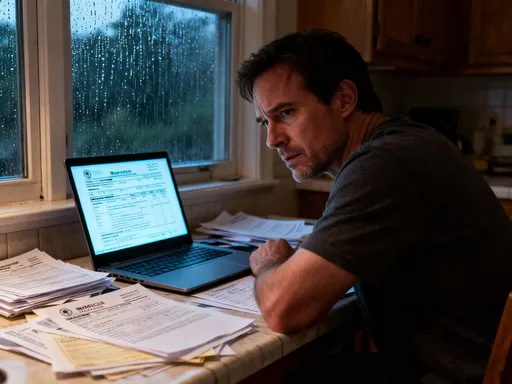
Inheriting property felt like winning the lottery—until I realized it came with taxes, emotions, and tough decisions. I didn’t know where to start, and one wrong move could’ve cost me everything. That’s when I learned: it’s not just about what you inherit, but how you think about it. This is my journey from confusion to clarity, packed with real lessons on protecting wealth, minimizing risk, and building an investment mindset that actually works. It wasn’t easy. There were moments I wanted to sell immediately just to end the stress. But stepping back, educating myself, and making deliberate choices turned what could have been a financial burden into a foundation for long-term security. This is not a story of instant riches, but of smart, steady decisions that anyone can learn from.
The Emotional Weight of Inheriting Property
Inheriting real estate is rarely just a financial transaction. For most people, especially those in their 30s to 50s who may be caring for aging parents or managing growing families, it arrives wrapped in layers of memory, duty, and grief. The house isn’t just wood and bricks—it’s where holidays were celebrated, where children took their first steps, where generations gathered. When I inherited my parents’ home, I stood in the kitchen and could still smell my mother’s baking. That emotional resonance made it hard to see the property clearly. I wasn’t just evaluating an asset; I was confronting a piece of my past. And that clouded my judgment in ways I didn’t anticipate.
Many inheritors fall into the same trap. They delay decisions, hoping time will make things easier, only to find that inaction often leads to rising costs and missed opportunities. Some hold on to a property far longer than makes financial sense, driven by guilt or fear of letting go. Others rush into selling, trying to escape the emotional weight, only to regret it later when market conditions shift. I was stuck between these two impulses—sentiment pulling me to keep it, practicality urging me to let go. The turning point came when I acknowledged that my emotions were valid, but they couldn’t make the decisions for me. I needed to separate the heart from the balance sheet.
To do that, I gave myself space. I didn’t make any immediate moves. Instead, I allowed time to process the loss and the responsibility. I spoke with a financial counselor who specialized in estate transitions, and she helped me reframe the property not as a monument to the past, but as a resource for the future. This shift in perspective was crucial. It didn’t erase the memories, but it allowed me to see the house as something that could serve my family’s needs in a new way—whether through sale, rental, or strategic reinvestment. By naming the emotional challenge, I was able to address it without being ruled by it.
What You Own vs. What You Owe: The Hidden Liabilities
The first thing I learned after inheriting the property was that ownership doesn’t always mean profit. On paper, the house had value, but beneath the surface were obligations I hadn’t anticipated. There was an outstanding mortgage balance, months of unpaid property taxes, and a list of deferred maintenance issues—from a leaking roof to an aging HVAC system. These weren’t minor fixes; they were substantial liabilities that would require immediate cash outlays. I quickly realized that what looked like an asset could easily become a financial drain if I didn’t act with caution.
Many people assume that inheriting real estate is like receiving a lump sum of money. But real estate is illiquid and often comes with ongoing costs. Property taxes, insurance, utilities, and repairs don’t stop just because someone has passed away. In fact, those costs can accumulate during the probate process, especially if the estate is complex or if multiple heirs are involved. I had to pay six months of back taxes before I could even consider selling, and the repairs needed to bring the house up to code added thousands more. These expenses significantly reduced the net value of what I had inherited.
To protect myself, I conducted a full financial audit. I gathered all available records, contacted the local tax assessor, and hired a home inspector to assess the condition of the property. I also consulted with a real estate attorney to understand my legal responsibilities as the heir. This due diligence revealed that the house was worth less than I had assumed—once liabilities were deducted, the equity was modest. But this reality check was essential. It prevented me from making decisions based on emotion or incomplete information. Instead, I could approach the situation with eyes wide open, understanding exactly what I owned and what I owed. That clarity became the foundation for every choice that followed.
To Sell or Not to Sell? Evaluating Your Options
With the financial picture clearer, I faced the central question: should I keep the property or sell it? This wasn’t just a financial decision—it had long-term implications for my family’s stability and future. I knew that holding onto the house might preserve a connection to my parents, but I also had to ask whether it made sense from a practical standpoint. Would the property appreciate in value? Could it generate reliable income? Or would it tie up capital that could be better used elsewhere? I decided to evaluate the decision objectively, using data rather than emotion.
I started by analyzing the local real estate market. I looked at recent sale prices of comparable homes in the neighborhood, studied trends in home value appreciation, and reviewed rental demand. What I found was mixed. The area wasn’t rapidly growing, and home values had remained relatively flat over the past five years. While the house could likely be sold for a modest gain, there was little expectation of significant future appreciation. At the same time, rental demand was steady but not strong, meaning I couldn’t count on high occupancy or rising rents.
I also considered opportunity cost—the idea that money tied up in one asset could be earning returns elsewhere. If I kept the house, I would need to reinvest profits from rent or use savings to cover repairs. That capital wouldn’t be available for other investments, such as retirement accounts or diversified portfolios. I calculated that, after expenses, the annual return on the property would likely be around 3%—lower than what I could expect from a balanced mix of index funds over time. This wasn’t a definitive reason to sell, but it was a critical piece of the puzzle.
Ultimately, I weighed personal goals alongside financial metrics. I didn’t need a second home, and managing a rental from a distance would require time and effort I wasn’t sure I could commit. I also considered my children’s future—would this property benefit them, or would it create complications down the line? After careful thought, I concluded that selling was the most responsible choice. It wasn’t a rejection of my parents’ legacy, but a recognition that honoring their memory didn’t require holding on to the house. Letting go could actually create more security for my own family.
Turning Inheritance Into Income: The Rental Route
Before making a final decision, I explored an alternative: renting out the property. The idea of passive income was appealing. I imagined monthly checks arriving without effort, a steady stream of cash that could supplement my household budget. I read stories online of people building wealth through rental properties, and for a moment, I thought this might be my path. I even listed the house with a local real estate agent who specialized in rentals and began researching tenant screening processes and lease agreements.
But the reality of being a landlord turned out to be far more complex than I expected. While the house did attract interest, the income it would generate wasn’t as high as I’d hoped. After accounting for property management fees, maintenance reserves, vacancies, and taxes, the net cash flow was minimal. What’s more, I quickly realized that rental income isn’t truly passive. There are late-night calls about plumbing issues, disputes over security deposits, and the constant need to stay compliant with local housing regulations. I didn’t live nearby, so I’d either need to hire a property manager—which would eat into profits—or take on the burden myself.
I also learned about the risks involved. Tenants can damage property, fall behind on rent, or require eviction—a process that can be lengthy and costly. Insurance for rental properties is more expensive than for primary residences, and not all policies cover every type of loss. I spoke with other landlords who had experienced unexpected repairs totaling thousands of dollars, from foundation cracks to mold remediation. These weren’t one-time events but recurring challenges that required ongoing attention and financial reserves.
After several months of consideration, I decided against the rental route. It wasn’t that renting is inherently bad—it works well for some people, especially those with experience or local presence. But for me, the time, stress, and financial uncertainty outweighed the benefits. I realized that what looked like a simple income stream was actually a small business with its own set of demands. By choosing not to rent, I avoided taking on responsibilities that didn’t align with my lifestyle or goals. That decision gave me the freedom to pursue other, less hands-on investment opportunities.
Reinvesting the Windfall: Building a Broader Portfolio
Once I sold the house, I was left with a lump sum of money—a windfall that felt both exciting and overwhelming. I knew I couldn’t treat it like regular income. This was capital that had the potential to grow over time, but only if managed wisely. I was determined not to waste it on short-term spending or impulsive investments. Instead, I wanted to build a foundation for long-term financial health, one that could support my family for years to come.
My first step was to establish clear priorities. I paid off high-interest debt, including credit card balances and a small personal loan. That freed up monthly cash flow and reduced financial stress. I also increased my emergency fund, ensuring I had enough liquid savings to cover six months of living expenses. These moves weren’t glamorous, but they created stability—a necessary base before any growth could occur.
Then came the investment phase. I worked with a fee-only financial advisor to design a diversified portfolio tailored to my risk tolerance and time horizon. We focused on low-cost index funds, which offer broad market exposure with minimal fees. I allocated a portion to bond funds for stability and included real estate investment trusts, or REITs, to maintain exposure to property without the headaches of direct ownership. This approach allowed me to benefit from real estate appreciation while avoiding the burdens of maintenance, tenants, and location-specific risks.
I also embraced the idea of compounding. Instead of withdrawing gains, I reinvested dividends and let the portfolio grow over time. I set up automatic contributions to continue building wealth steadily. The shift in mindset was profound: I no longer saw money as tied to a single physical asset, but as flexible capital that could work for me in multiple ways. This diversification reduced my overall risk and positioned me to weather market fluctuations without panic. Over the years, the portfolio has grown consistently, providing peace of mind and a sense of progress.
Protecting Your Gains: Risk Control After Inheritance
With more assets came greater responsibility. I realized that protecting what I had built was just as important as growing it. Inheritance can make people targets—whether from well-meaning relatives asking for loans or from scammers who exploit financial transitions. I learned to be cautious. I set up stronger banking protections, including two-factor authentication and transaction alerts. I reviewed all account beneficiary designations to ensure they reflected my current wishes, and I updated my will to avoid future disputes.
I also explored basic estate planning tools. I established a revocable living trust, which allows assets to pass to heirs without going through probate—a process that can be time-consuming and expensive. This wasn’t about being wealthy; it was about being thoughtful. I wanted to make things easier for my children, not leave them with legal complications or emotional conflicts. I also designated a durable power of attorney and a healthcare proxy, ensuring that someone I trusted could make decisions if I ever became incapacitated.
Another critical step was vetting financial professionals. I avoided advisors who pushed high-commission products or promised unrealistic returns. Instead, I chose a fiduciary who is legally obligated to act in my best interest. I asked questions, reviewed credentials, and made sure I understood every recommendation before acting. This diligence saved me from costly mistakes and gave me confidence in my decisions. I also educated myself on common inheritance scams, such as fake legal notices or impersonation calls, and learned to verify all communications through official channels.
By taking these protective measures, I created a financial structure that was resilient and intentional. I wasn’t trying to get rich quickly—I was building a legacy of stability and responsibility. That meant making boring but important choices: insurance, documentation, and clear communication with family. These steps may not generate headlines, but they prevent crises.
The Investment Mindset That Changed Everything
Looking back, the most valuable lesson I gained wasn’t about real estate, taxes, or market trends. It was about mindset. I had started as an heir—someone who received something passively. But I ended as an investor—someone who actively manages resources to create long-term value. That shift changed everything. I stopped seeing money as something to be feared or hoarded, and started seeing it as a tool for security, freedom, and opportunity.
This new perspective emphasized patience, discipline, and long-term vision. I learned to ignore short-term market noise and focus on consistent, sustainable growth. I embraced diversification not as a complex strategy, but as common sense—spreading risk so that no single loss could derail my plans. I also accepted that mistakes are part of the process. I didn’t get everything right the first time, but each decision taught me something valuable.
If I could do it again, I would still sell the house. But I would have started the financial review sooner, sought professional guidance earlier, and allowed myself more grace during the emotional transition. I now understand that wealth isn’t just about what you own, but how you manage it. True financial security comes not from holding on to the past, but from making thoughtful choices in the present that support the future.
This experience reshaped my entire relationship with money. I’m more confident, more informed, and more intentional. I talk openly with my children about finances, teaching them that inheritance is not a finish line, but a starting point. And I’ve found peace in knowing that honoring a legacy doesn’t mean preserving a physical place—it means using what you’ve been given to build something lasting. That, more than any dollar amount, is the real return on investment.